
Finding a cheap seat on a plane feels like gambling, but it really shouldn’t. After years of booking flights for myself and pestering friends with unsolicited advice, I’ve narrowed it down to three things that actually move the needle: buying at the right time, staying loose with your dates and airports, and letting an app do the price-watching for you. Airfare runs on algorithms that react to demand, empty seats, and whatever the competition is charging, which is exactly why the same flight can cost you two different prices in the same afternoon. Once you get how that machine works, paying less stops being luck.
So this is the whole playbook. It’s the same stuff frequent flyers and fare nerds use, and it works whether you’re a family trying to survive a summer trip on a budget, a solo backpacker hunting the rock-bottom fare, or a business traveler who’s tired of blowing the expense account on a Tuesday redeye.

Table of Contents
- What Are the Best Cheap Flights Tips for Every Traveler?
- How to Find Cheap Flights: When Is the Best Time to Buy?
- Flexible Dates and Destinations: Cheap Flights Tips Airlines Rarely Advertise
- Fare Alert Tools and Price Tracking Apps
- Comparing Booking Strategies: What Actually Saves the Most Money?
- Airport, Route, and Airline Tricks That Lower Your Fare
- Common Mistakes That Cost Travelers Money
- Frequently Asked Questions
What Are the Best Cheap Flights Tips for Every Traveler?
The best cheap flights tips boil down to three habits: book within the right window for your kind of trip, stay open to alternate dates and nearby airports, and use fare tracking tools instead of manually checking prices like it’s your part-time job. Those three cover the biggest variables that push a fare up or drag it down.
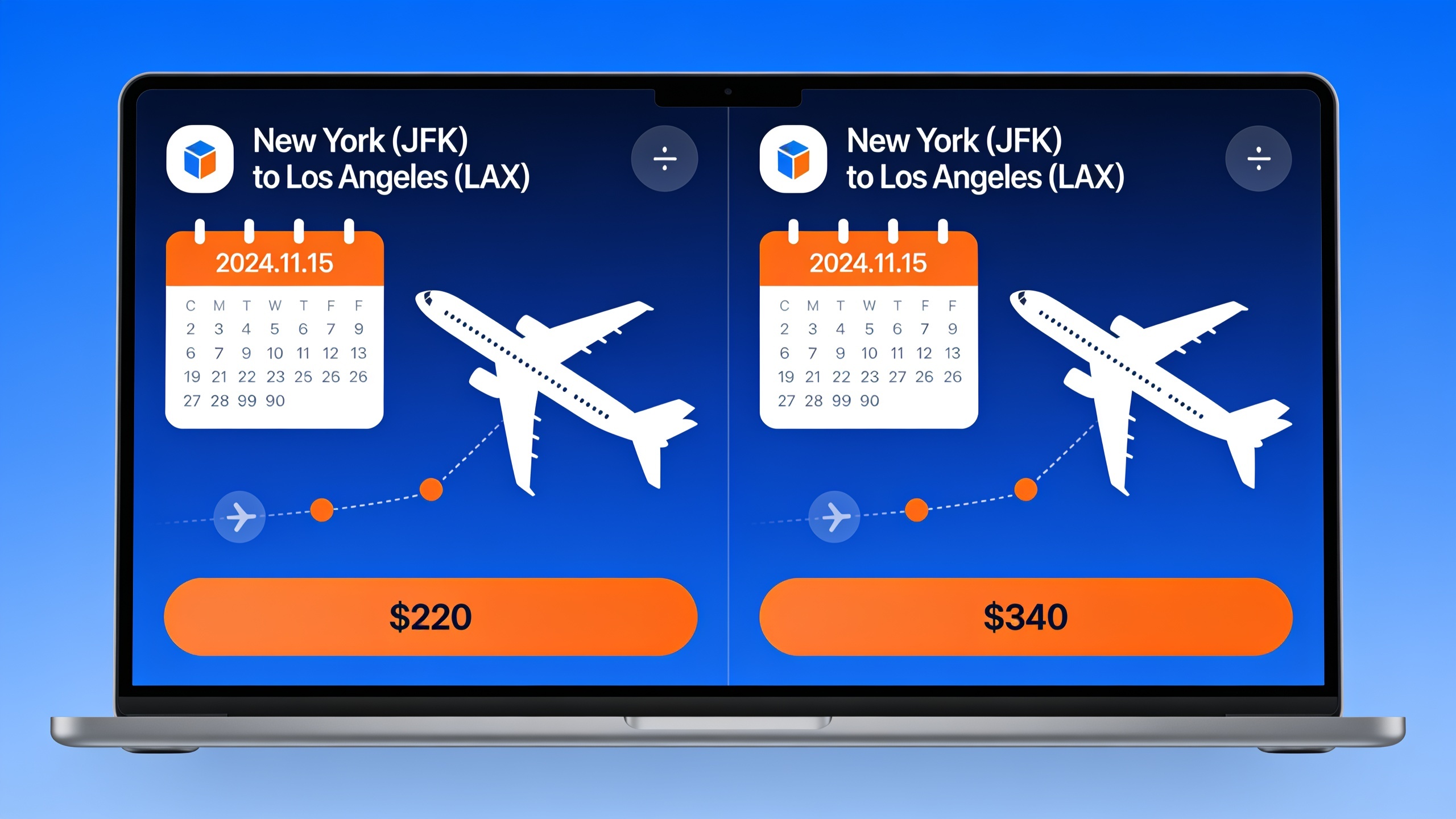
Here’s why it all works. Airlines run revenue management systems that reprice constantly based on how many seats are left, how far out you are, what the airline across the aisle is charging, and how that route usually behaves. That’s the whole reason a flight can be $220 one week and $340 the next, even though it’s the exact same plane going to the exact same place. Once you accept that fares are basically a living, breathing thing, everything else makes sense. It’s also why the “book it once and forget about it” approach almost never gets you the good price.
And if you’re planning ahead anyway, it’s worth zooming out on the whole budget, not just the flight. If you haven’t locked in a destination yet, honestly the smartest move is to start with places that are cheap to reach and cheap once you land. There’s a solid roundup of exactly that in this guide to the 15 Best Budget Travel Destinations for 2026 Travelers, which flags the spots where flights, lodging, and daily spending all run lower.
Why Flight Prices Change So Often

Flight prices move constantly because airlines are rebalancing supply and demand across thousands of routes at the same time. A quiet route with weak bookings might see fares drop to lure people in, while a route that’s filling up fast climbs in steps as each pricing “bucket” sells out. This is why booking early isn’t automatically cheaper, and why the occasional last-minute deal actually exists. Airlines would sometimes rather discount an unsold seat than fly it empty. That said, don’t bet your Christmas travel on it. Last-minute magic is real but rare, and it basically evaporates during peak dates.
How to Find Cheap Flights: When Is the Best Time to Buy?
There’s no single magic day to book, but general booking windows do exist depending on the trip: domestic flights are usually cheapest a few weeks to a few months out, while international ones tend to reward booking further ahead, especially in peak season. Beyond that, it really depends on where you’re going, when, and how popular the route is.
Domestic routes tend to have shorter booking windows, mostly because there’s so much competition and so many daily flights that airlines are tweaking prices all the time. Long-haul international is different. Fewer departures per day means airlines set prices further out and leave them alone until the last few weeks, when unsold seats or desperate business travelers can send fares spiking.
Honestly, though, the season matters more than the exact day you buy. Holidays, school breaks, big festivals at your destination… all of it drives prices up no matter how early you book, simply because everyone else wants those same dates. If your trip is tied to a wedding or a reunion or some fixed thing you can’t move, just book early. Waiting around for a discount that may never show up is how you end up paying triple in the final week.
Does It Matter What Day You Book?
The old “always book on a Tuesday” thing is basically a myth now. Fares update continuously these days, not on some tidy weekly schedule, so there’s no secret cheap day anymore. What actually helps is watching a route over time and pulling the trigger when you see a real dip against the prices you’ve been tracking. The calendar day doesn’t matter. The trend does.
Flexible Dates and Destinations: Cheap Flights Tips Airlines Rarely Advertise
Flexibility with your dates, your airports, and even where you’re going is one of the most powerful cheap flights tips out there, because it lets you grab whatever route happens to be discounted right now instead of chaining yourself to one pricey option. Sometimes just shifting your departure by a day or two makes a noticeable dent.
Most of the big search engines now have a flexible date or “explore” view. It’s a calendar grid showing prices across a whole month, which means you can spot the cheap days at a glance instead of running fifty separate searches like a maniac. If your trip isn’t locked to specific dates, this one feature alone will steer you away from the priciest days, which tend to be Fridays, Sundays, and anything hugging a major holiday.
Getting flexible about the destination itself is where the real savings hide. Instead of hunting for a flight to one exact city, try a “flights from” or “everywhere” search and see which nearby cities or countries are weirdly cheap that week. This is gold for anyone without a fixed itinerary, so backpackers and digital nomads especially. And if you’re torn between a few options, cross-check them against places already known for being easy on the wallet, like the ones in Global Holiday Planner’s guide to budget-friendly destinations for 2026.
Nearby Airports and Regional Hubs
Checking airports within a reasonable drive of your start or end point can uncover real savings, especially in metro areas served by more than one airport. A flight into a smaller regional airport is sometimes cheaper than the main international hub, just because of differences in competition and airport fees. But do the math on the whole trip before you commit. A cheaper fare that dumps you an hour outside town with a pricey transfer isn’t actually cheaper once you add it all up.
Fare Alert Tools and Price Tracking Apps

Fare alert tools are automated services that watch prices on the routes you care about and ping you by email or app when the fare moves, so you’re not re-checking manually every single day. If you’re serious about consistently finding cheap flights, these are non-negotiable. Fares are so volatile that the best price often shows up for a few hours and then vanishes.
Most of them work the same way: you plug in a route (or a loose “from anywhere” search), the tool stashes it in the background, and it compares new prices against your original baseline. When something meaningful shifts, you get an alert. The better ones also show historical price charts, so you can actually tell whether today’s fare is genuinely low or just… normal-with-a-nice-haircut.
Beyond the dedicated alert apps, it also pays to keep half an eye on what’s happening in the airline world generally. Fare sales, price wars, shifting travel patterns, that kind of thing. Lifestyle and news platforms like Newsrum cover trends across travel-adjacent stuff, and following the broader chatter can occasionally tip you off to a fare war or a promo before it hits the mainstream deal sites.
Setting Up Alerts the Right Way
Don’t just set one alert and call it a day. Set up two or three per trip. Track your exact dates, sure, but also a flexible date range and a nearby alternate airport. That way you’ve got multiple data points instead of one lonely alert that might miss a better deal on a slightly different itinerary. Oh, and start early. Setting alerts a few months out beats waiting until you’re a few weeks from departure, because the tool needs time to build up a real price history for that route.
Comparing Booking Strategies: What Actually Saves the Most Money?
Different strategies suit different trips, and knowing the trade-offs between speed, flexibility, and how much effort you’re willing to put in helps you pick the right one. Here’s how the common approaches stack up.
| Strategy | Best For | Effort Required | Flexibility Needed |
|---|---|---|---|
| Early advance booking | International trips, peak seasons, fixed events | Low | Low |
| Flexible date search | Open-ended trips, weekend getaways | Medium | High |
| Fare alert tracking | Any route, especially long-haul | Low (after setup) | Medium |
| “Everywhere” destination search | Backpackers, digital nomads, spontaneous trips | Medium | Very High |
| Nearby airport comparison | Travelers near multi-airport regions | Medium | Medium |
| Last-minute booking | Highly flexible travelers with no fixed dates | High (risk) | Very High |
You’ll notice a pattern: the strategies that demand the most flexibility tend to offer the biggest potential savings, while the ones for fixed dates lean on booking early and tracking prices rather than praying for a lucky discount. And you don’t have to pick just one. Stacking two or three, say flexible dates plus fare alerts, pretty much always beats going all-in on a single method.
Airport, Route, and Airline Tricks That Lower Your Fare
Beyond timing and flexibility, how you actually structure your search can move the final price more than you’d think. Little tweaks often surface fares that a plain direct search just won’t show you.
Clear Your Browser Data and Compare Multiple Sites
The whole “airlines track your searches and jack up the price” thing is… debated, and honestly not consistently proven. But it costs you nothing to compare prices across a few search engines and, when you can, check the airline’s own site directly before you book. Some airlines price fares or fees (seat selection, baggage, that stuff) differently depending on whether you go through a third-party aggregator or straight through them, so a quick direct-site check can save you from ugly surprise add-ons at checkout.
Consider Layovers and Connecting Flights
Connecting flights are often cheaper than nonstops, because airlines charge a premium for direct routes whenever demand is high and competition is thin. If you can stomach an extra hour or two of travel, searching one-stop itineraries opens up way more inventory and lower fares, especially on long-haul international routes where the only nonstop option is some premium carrier charging premium money.
Booking One-Way Combinations
Instead of a round-trip on one airline, you can sometimes save by stitching together two separate one-way tickets from different carriers. It takes more manual work, and it carries real risk. If your first leg gets delayed or canceled, the second airline owes you nothing because the tickets aren’t linked. Still, on routes where a bunch of airlines are slugging it out, this can genuinely undercut round-trip pricing.
Loyalty Programs and Fare Classes
Signing up for an airline’s frequent flyer program is free, and it can occasionally unlock member-only fares or early access to sales, even if you fly maybe twice a year and will never sniff elite status. And learn the basic fare class differences while you’re at it, like basic economy versus standard economy. It’s how you avoid overpaying for flexibility and baggage you don’t need, or underpaying and getting slapped with brutal change fees when your plans shift.
Common Mistakes That Cost Travelers Money
Even people doing everything right can torch their savings with one avoidable mistake at checkout. Knowing the traps matters just as much as knowing the tricks.
The big one is panic-booking. You see a fare, you’re terrified it’ll climb, so you grab it without ever checking it against the route’s recent price history. Problem is, a fare that looks like a steal on its own might actually be average, or worse, above average for that route. This is exactly why the tools with historical charts earn their keep. The other classic blunder is fixating on the base fare and ignoring the total. A cheap headline price can vanish entirely once you tack on baggage, seat selection, and the cab from a far-flung airport.
Booking through some sketchy third-party reseller just because they flashed the lowest number is another one I’d steer you away from. A lot of those sites have basically no customer service when a flight gets changed or canceled, and you’ll be on your own. Stick with well-established platforms or the airline directly, even if it costs a hair more, especially on international trips where you really might need someone to rebook you.
And last, don’t forget currency and payment fees on international bookings. Buying from a foreign airline or a site priced in another currency can quietly add a foreign transaction fee, and the amount that actually hits your card might not match the listed price. Check whether your card charges those fees, and compare the final charged total, not the number on the screen. Nobody likes finding that surprise on their statement.
Frequently Asked Questions
I’m new to this. What’s the one tip I should actually use?
Ditch fixed dates and use a flexible date search. Right off the bat it shows you which days on your route are cheapest, no special tools or memberships required. Then throw a fare alert on your preferred route so you’ve got both a starting baseline and ongoing monitoring. That combo alone puts you ahead of most people.
How far ahead should I book an international flight?
There’s no universal rule, sorry. But long-haul international generally rewards booking earlier than domestic does, especially for peak seasons, holidays, or big events at your destination. For flexible, off-peak international trips, though, it can actually pay to wait and watch the fares over a couple of months rather than booking the second you decide to go.
Are budget airlines always cheaper than full-service carriers?
Not once you add up all the fees, no. Budget airlines love to advertise a tiny base fare and then charge separately for baggage, seat selection, and sometimes even your carry-on, so the final total can creep up to or past what a full-service airline would’ve charged all-in. Always compare the complete cost of your actual itinerary, not the bait price on the search results page.
Does incognito mode or clearing cookies really lower prices?
Everybody repeats this one, but it’s never been consistently proven to move prices across the board. It’s a low-effort habit, so sure, try it, it won’t hurt anything. Just don’t count on it. Fare tracking and flexible date searches will do way more for the price you actually pay.
What’s the best approach if my dates are totally open?
Pair an “everywhere” or flexible destination search with a flexible date calendar view. That way you’re seeing the cheapest combinations across both where and when at the same time. It’s ridiculously effective for backpackers, digital nomads, and anyone who can bend both variables to chase the lowest fare.
At the end of it, finding a genuinely cheap flight is more about consistency than luck. Track prices over time, stay open to different dates or airports, and judge trips by total cost instead of the headline fare. Try even two or three of these on your next trip and I’d bet you’ll feel the difference the moment you hit that final checkout screen.
[…] can end up costing more once you add a mandatory seat fee for a family group. Tools that show total ticket cost upfront make this comparison far less tedious than pricing it out manually across multiple airline […]
[…] fare alerts through an aggregator to catch premium economy price […]
[…] How to Find Cheap Flights: 15 Insider Tips […]
[…] How to Find Cheap Flights: 15 Insider Tips […]
[…] How to Find Cheap Flights: 15 Insider Tips […]