
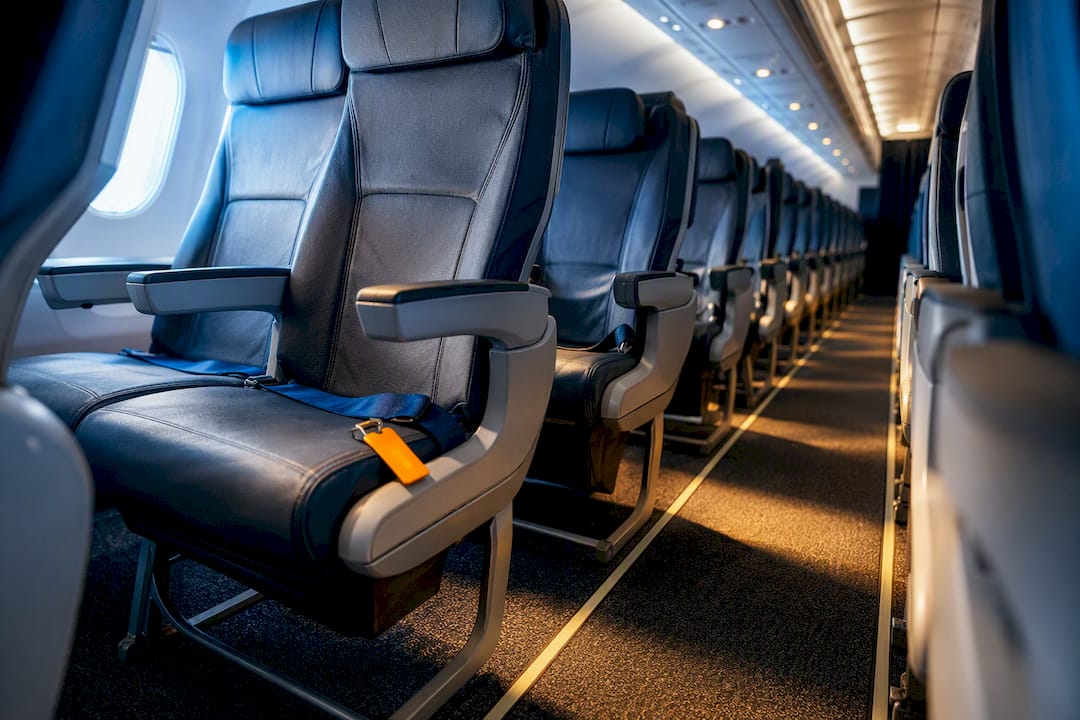
Seat selection fees are common, but they’re rarely mandatory. Skip them on short domestic hops or when you don’t care where you land in the cabin. Pay selectively on long-haul flights, when traveling with kids, or when a specific seat (aisle, exit row, bulkhead) genuinely matters for comfort or mobility. The fee buys location and legroom, not a better flight.
TL;DR:
- Paying for seat selection is most worthwhile on long-haul flights, especially for extra legroom or aisle seats over five hours.
- Most airlines charge between $15 and $200 for preferred or extra-legroom seats, with prices varying widely by route and airline.
- Declining seat selection at booking and checking in early can often secure a free seat, saving money for price-sensitive travelers.
- Airlines generally assign seats automatically if you skip paid selection, and fees are usually non-refundable once paid.
- Top-tier frequent flyers or fare bundles may include free seat selection, making additional charges unnecessary.
Table of Contents
- What Are Seat Selection Fees, Exactly?
- What Seat Selection Actually Costs
- When Paying for a Seat Actually Makes Sense
- How to Avoid or Reduce Seat Selection Fees
- What You’re Actually Paying For
- Refunds, Changes, and Fine Print to Check
- How Global Holiday Planner Simplifies the Seat-Fee Decision
- Compare Full Fares Before You Book
- Sources
- FAQ
What Are Seat Selection Fees, Exactly?
A seat selection fee (sometimes called a seat reservation charge or seat assignment fee) is what an airline charges to let you pick a specific seat before the day of departure. It’s different from a paid upgrade, which moves you into a whole different cabin or seat class with extra perks like priority boarding. A seat fee just locks in location.
Basic economy and other stripped-down fares are the usual trigger. These fares often block free advance seat choice entirely, assigning you a seat only at check in, which typically opens 24 to 48 hours before departure. Standard economy and premium fares, by contrast, frequently include free seat selection as part of the ticket price.
Here’s the part most travelers miss: buying a ticket guarantees you a seat on the plane even if you never pay to choose one. Airlines still assign a seat automatically during check in or at the gate. Reporting on this exact confusion notes that skipping paid seat selection doesn’t leave you seatless, it just means you don’t get to pick which one until later.
Why do airlines charge for this at all? Seat inventory is treated as a revenue lever. Desirable seats near the front, aisle seats, and extra-legroom rows get priced higher during high-demand periods, then discounted or given away free when a flight isn’t selling well. It’s dynamic pricing applied to square footage instead of tickets.

What Seat Selection Actually Costs
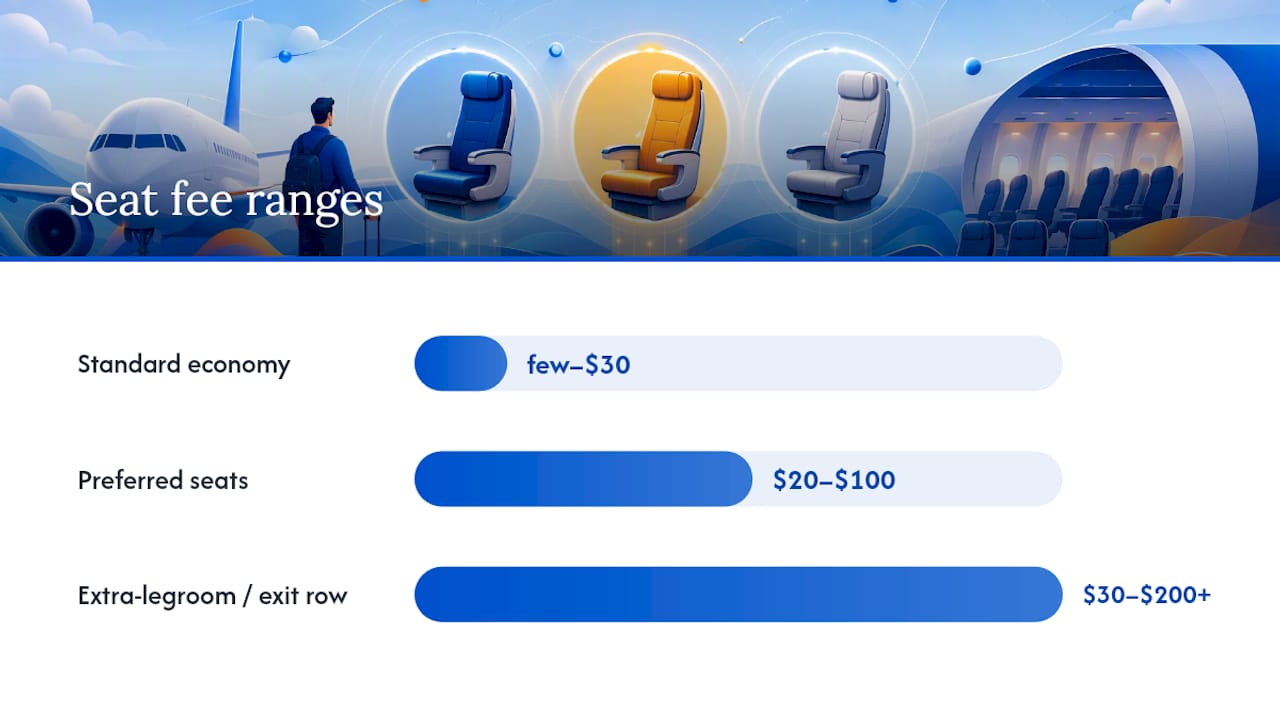
Prices swing wildly depending on the airline, the route, and how badly you want that aisle seat. A standard economy seat with no special features usually runs anywhere from a few dollars up to around $30. Preferred seats, the ones a little closer to the front or with a bit more space, tend to land between $20 and $100. Extra-legroom and exit-row seats are the priciest tier, often $30 to $200 or more, especially on long-haul international routes where every extra inch matters over eight or ten hours.
Airline-published fee tables make the range concrete:
- Lufthansa Group runs a multi-tier seat reservation fee schedule by seat category and route, with prices climbing well into triple digits for extra-legroom or front-row seats on certain flights.
- United’s optional services page lists Basic Economy seat assignments starting around $15 per flight, scaling up from there for preferred locations.
- Air India uses a detailed per-segment pricing table with different rates by region and seat category, distinguishing standard, preferential, and extra-legroom options across its network.
- Some carriers, including British Airways, have moved toward vague “from” pricing rather than static fee charts, and that starting number can understate what you’ll actually pay on a popular long-haul route.
U.S. carriers have collected substantial revenue from seat-related fees in recent years. That figure, drawn from a Senate report and cited in national travel reporting, shows just how central these charges have become to airline revenue, not a rounding error on the side of the ticket price.
One more wrinkle for international itineraries: currency and per-segment rules mean a round-trip with a connection can rack up two or four separate seat charges instead of one, depending on how the airline structures the booking.
When Paying for a Seat Actually Makes Sense
Not every flight calls for the same calculation. A few factors decide whether the fee is worth it: flight duration, physical comfort or mobility needs, traveling with young kids, and simple price versus convenience math.
Some quick rules of thumb:
- On an overnight long-haul flight, paying for a better seat (extra legroom, aisle access) is usually worth it for sleep quality alone.
- Exit-row or extra-legroom seats pay off most on flights over five or six hours, less so on a 90-minute regional hop.
- If you’re traveling with children, guaranteeing adjacent seats can be worth the fee just to avoid a stressful boarding scramble.
- Skip the fee entirely on short flights or tight budgets. Being off the aisle for 45 minutes is not a hardship.
Elite frequent-flyer status or certain fare bundles can flip this math automatically, since many airlines waive seat fees for top-tier loyalty members or include seat selection in higher fare classes.
Pro Tip: Check whether your fare class already includes free seat selection before assuming you have to pay. Airlines bury this detail in fare comparison charts, and it’s often the single biggest factor in whether the fee applies to you at all.
How to Avoid or Reduce Seat Selection Fees
You have more control over this cost than most travelers realize. Work through these in order:
- Decline seat selection at booking. You’ll still get a seat at check in, just not a chosen one. This alone eliminates the fee for anyone who doesn’t care about seat location.
- Check in the moment your window opens. Earlier check in gives you first pick of whatever’s free, which is often a reasonable aisle or window seat.
- Ask about family seating policies. Some airlines will seat children with an accompanying adult at no charge even on fares that otherwise restrict free seat choice, a detail worth confirming directly with the carrier’s specific policy since exceptions vary widely.
- Use a travel credit card with incidental credits. Many travel rewards cards reimburse airline ancillary charges, including seat fees, as part of an annual travel credit.
- Lean on elite or airline co-branded status. Frequent flyer tiers frequently include free seat selection as a standard perk.
- Compare the total fare, not just the base price, when booking. A fare that looks $20 cheaper can end up costing more once you add a mandatory seat fee for a family group. Tools that show total ticket cost upfront make this comparison far less tedious than pricing it out manually across multiple airline sites.
The tradeoff to know going in: skipping seat selection means accepting whatever’s left at check in, which on a full flight can mean a middle seat in the back. That’s a real risk, not just a theoretical one, on flights that sell out early.
Pro Tip: If you’re booking for more than one traveler, price the seat fees before you commit. A “cheap” fare for four people with $40 seat fees each just added $160 to the real cost of the ticket.
What You’re Actually Paying For
Seat fees buy location, not quality of service. It helps to know what each tier actually gets you before handing over the money.
- Standard assigned seats just guarantee a specific spot, usually in the main economy cabin with no extra space.
- Preferred or priority seats sit closer to the front, which can mean faster deplaning and sometimes boarding priority.
- Extra-legroom and exit-row seats offer several more inches of legroom, but exit rows come with a catch: you must be able to assist in an emergency, and airlines enforce eligibility rules around age and physical ability.
- Premium cabin seats (premium economy, business) are a different purchase entirely, not a seat fee, and include meal service and baggage perks the fee-based seats don’t.
Labeling varies a lot by airline, so check the actual seat map and fine print before paying. “Preferred” on one carrier might mean something completely different on another.
Refunds, Changes, and Fine Print to Check
Seat fees are usually non-refundable once paid, though most airlines refund the charge if you cancel within a specific window or if the airline itself reassigns your seat for operational reasons, like an aircraft swap. Because fees are typically charged per flight segment, a multi-leg itinerary can mean paying multiple times unless the airline bundles the charge across connections.
Before you pay, confirm:
- Whether the fee is refundable if your flight changes or cancels
- Whether it applies per segment or per full itinerary
- Whether an involuntary seat change (aircraft swap, schedule shift) triggers an automatic refund
- Whether your fare class already includes the seat you’re eyeing
How Global Holiday Planner Simplifies the Seat-Fee Decision
Some travel platforms surface total fare information where available, flagging when seat selection is bundled into the ticket versus charged separately. Instead of guessing whether a “cheap” fare actually includes a seat, you can compare the full cost across options side by side, base fare plus ancillaries, and decide with real numbers instead of assumptions.
Compare Full Fares Before You Book
Piecing together a base fare, then a seat fee, then a baggage charge on five different airline sites is how travelers end up overpaying without realizing it. Some travel platforms address this problem: instead of comparing sticker prices, users compare what a ticket actually costs once seat selection and other extras are factored in.
That matters because the airline with the lowest base fare isn’t always the cheapest once seat fees enter the picture, especially for families needing several adjacent seats. Searching flights on Global Holiday Planner lets you spot which fares already bundle seat selection and which will tack it on later, saving you from a surprise at checkout. Pair that with the tactics in this guide to finding cheap flights and you’ll spend less time comparing tabs and more time actually booking. Run your next search and see the total cost, seat fees included, before you commit to a fare.
Sources
Airline policy pages and independent reporting were used to compile the cost ranges and mechanics in this piece. Lufthansa Group’s seat reservation fee schedule shows exact per-tier pricing by seat category. United’s optional service charges page documents Basic Economy seat assignment pricing directly. Air India’s preferred seat selection page lays out regional per-segment pricing rules. National reporting on airline seat fee revenue and NerdWallet’s guidance on avoiding these charges round out the practical strategies covered above. For travelers curious how ancillary comparisons work outside air travel, this breakdown of comparing travel add-on services applies similar logic to another common travel expense.
- Are seat assignment fees a scam? Here’s when to pay up, and when to walk away
- Upgrades and Optional Service Charges | United Airlines
- How to Navigate Costly Airline Seat Selection Fees | NerdWallet
FAQ
Is it worth paying extra for seat selection?
It’s worth it for long-haul or overnight flights, when traveling with children, or when you need specific comfort features like extra legroom. On short flights with no special needs, skipping the fee costs you nothing but a bit of uncertainty about exactly where you’ll sit.
How can I avoid seat selection fees?
Decline seat selection at booking and let the airline assign one automatically at check in, since buying a ticket guarantees you a seat regardless. Travel credit cards with incidental credits, elite loyalty status, and fares that already bundle seat selection are the other main ways to sidestep the charge.
How much does flight seat selection cost?
Standard economy seats typically run from a few dollars up to around $30, preferred seats fall between $20 and $100, and extra-legroom or exit-row seats can run $30 to $200 or more depending on the route and airline.
Why am I being charged for seat selection?
Airlines treat seats as a revenue stream separate from the base ticket price, charging more for desirable locations and less (or nothing) for standard seats during low-demand periods. It’s also common on basic economy and other discount fares that exclude free seat choice by design.