

Anyone who’s ever tried to price out two weeks in Europe knows the gut-punch moment. You add up the flights and you haven’t even booked a hotel yet, and already the number looks… rough. So I want to walk through what one family actually did to bring that number way down.
Quick disclaimer before we go further: the family here is a composite, an illustrative example built from typical booking patterns rather than a specific real household. But the decisions are real decisions, the kind that genuinely move the needle.
They used the trip-planning tools on Global Holiday Planner to compare flights, hotels, transfers, rail tickets, and insurance all in one place, and ended up trimming their trip cost by roughly 40% off their original patchwork budget. The point of all this isn’t the exact percentage. It’s the sequence of choices that got them there.
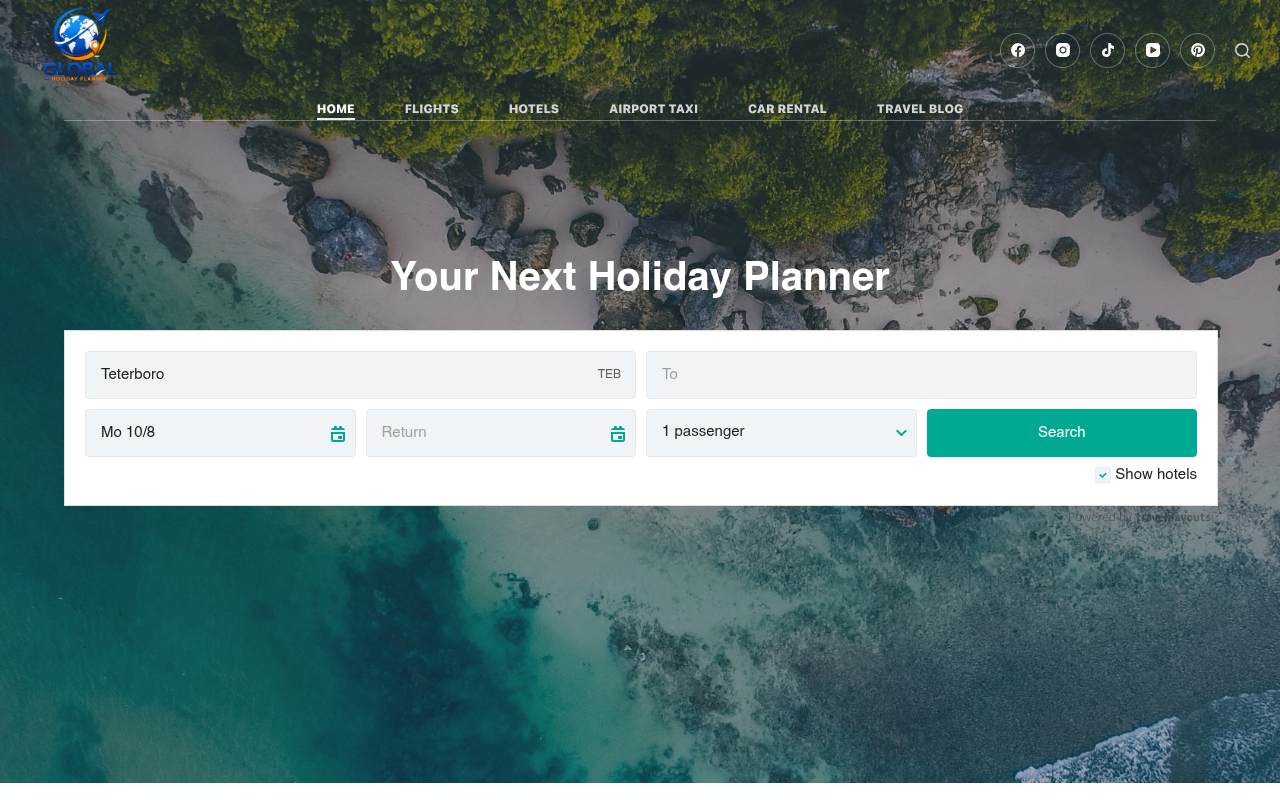
Table of Contents
- What This Travel Savings Case Study Covers
- The Family’s Europe Trip Planning Challenge
- How the Family Used Global Holiday Planner’s Tools to Cut Costs
- Travel Savings Case Study: Before-and-After Budget Breakdown
- What Other Families Can Learn From This Case Study
- How Much Can You Realistically Save on a Europe Trip?
- Common Mistakes That Cost Families Money on International Trips
- FAQ: Travel Savings Case Study for Europe Trip Planning
What This Travel Savings Case Study Covers
This is the story of how a family of four planned a 12-day trip across Italy and Switzerland and cut their spend by using one planning platform instead of juggling five browser tabs. That’s really it. And no, your family probably won’t hit the exact same percentage, because savings hinge on your dates, your destinations, and how early you book.
But the process translates: comparing flights side by side, matching hotels to your actual day-to-day plans, bundling transfers and rail tickets instead of grabbing them piecemeal, and buying insurance that fits the trip instead of some generic filler policy.
I’ll call them the Martinez family, just to keep things readable. Two adults, two kids (9 and 13), a fixed two-week window during summer break, and a budget they really wanted to respect without gutting the good parts. They weren’t willing to skip the Swiss train ride through the Alps or the nights in central Rome. Those were non-negotiable. Everything else was up for grabs.
The Family’s Europe Trip Planning Challenge
The real problem with planning a Europe trip is fragmentation. Flights on one site, hotels on another, transfers sorted out somewhere over the Atlantic, and insurance bought in a panic at the airport. When you book everything in isolation like that, you almost always overpay, because you never see how the pieces fit together.
Here’s where the Martinez family started. They had a rough sketch: fly into Rome, spend five nights bouncing between Rome and Florence, take a train north, finish with four nights near Interlaken in Switzerland. Their first stab at pricing it meant checking a couple of airline sites, poking around a hotel search engine or two, and opening a separate car rental page.
The estimate they landed on felt high. Too high for what they actually wanted. And they still hadn’t compared package pricing, hadn’t figured out whether advance rail tickets beat buying at the station, and hadn’t looked at pre-booked transfers versus standing in a taxi queue after an overnight flight (which, if you’ve done it, you know is nobody’s finest hour).

That gap is exactly the thing a platform like Global Holiday Planner is meant to fill. By the company’s own description, it pulls together flight comparisons, hotel options, car rentals, airport transfers, rail tickets, and travel insurance into a single platform, with what it calls secure online bookings, instant confirmations, and flexible options. For a trip with this many moving parts, two countries, five spending categories, having all of it in one view is what let the Martinez family spot where the savings were actually hiding.
If you’re weighing whether a dedicated planning platform beats just using one of the big generalist travel sites, the breakdown in Global Holiday Planner vs Expedia: Which Is Better for You? tackles that head-on and is a decent place to start your own research.
How the Family Used Global Holiday Planner’s Tools to Cut Costs
No single magic discount did this. The 40% came from stacking a bunch of smaller wins across those five categories. Each move shaved off a modest amount on its own. Together, though, they added up in a way that surprised even me when I ran through it.
Comparing Flights Across Booking Windows
Airfare is almost always the biggest line item on a Europe trip, which is exactly why it’s where comparison shopping earns you the most. Instead of grabbing the first fare they saw, the Martinez family checked pricing across a few departure dates inside their school-break window. Two things helped. Shifting the outbound flight by two days, and flying into Rome directly rather than routing through a smaller regional airport. That second one matters more than people think, because those regional connections often carry a premium when you’re only doing a short hop.
The broader lesson: airfare is not a fixed number. It just isn’t. Poke around flexible dates and alternate arrival cities before you commit, and you’ll usually knock down the single largest cost of the whole trip.
Finding Discounted Hotels and Vacation Packages
For lodging, they did something smart. They compared booking hotels on their own against bundled package pricing that lumped flights and hotels together. Sometimes packages win, especially when a platform already has relationships with hotels in places like Rome, Florence, or the Swiss Alps. Sometimes they don’t. So the Martinez family split the difference: a package rate for the Italy leg, a standalone hotel for Switzerland. They only landed there after actually comparing both, instead of assuming one approach always wins. (It doesn’t.)
They also picked hotels around their real daily plans, not the most Instagram-famous neighborhood in each city. In Rome, choosing a place a short walk from a metro line, rather than paying through the nose to be right next to the Colosseum, freed up enough cash for the guided Pompeii day trip they’d originally penciled in to cut. Small trade. Big payoff.
Booking Airport Transfers and Rail Tickets
Transfers and intercity rail are the two costs families always underestimate, then overpay for at the worst possible moment. Pre-booking an airport transfer instead of haggling with a taxi at the curb after a red-eye gave them a fixed, known price. And buying rail tickets for the Italy-to-Switzerland leg ahead of time, rather than at the station, dodged the walk-up prices that tend to run higher on popular international routes.
This gets glossed over in most generic trip advice, but transfers and rail aren’t “minor logistics.” They’re a genuine budget line. Pricing them in advance, as part of the whole itinerary rather than an afterthought, was a real chunk of why the final number came in under estimate.
Adding Travel Insurance Without Overspending
Instead of grabbing a generic policy at the airport kiosk (or skipping insurance entirely, which, please don’t), the family compared insurance options during the same planning session. They matched the coverage to their actual trip: two countries, mostly city stays, plus one adventure-heavy day trip. Comparing ahead of time beats buying whatever’s shoved in front of you at the last minute, especially on a trip with multiple stops and connecting travel where one thing going sideways can knock over the rest.
If you want an actual framework for the order to make these decisions in, flights first, then lodging, then the logistics layer, the Family Vacation Planning: A Step-by-Step Guide for Parents walkthrough lays out a sequence that helps you dodge the last-minute price spikes families hit when they leave transport and insurance until they’re basically out the door.
Travel Savings Case Study: Before-and-After Budget Breakdown
Here’s how the Martinez family’s costs shifted from their scattered first research to their final consolidated booking. These are illustrative estimates for the case study, not published prices, since real costs swing with season, route, and availability.
| Trip Category | Initial Estimate (Separate Bookings) | Final Booking (Consolidated Planning) | Approx. Savings |
|---|---|---|---|
| Round-trip flights (family of 4) | $3,200 | $2,150 | ~33% |
| Hotels (11 nights total) | $2,800 | $1,850 | ~34% |
| Airport transfers (arrival & departure) | $220 | $140 | ~36% |
| Intercity rail tickets (Italy to Switzerland) | $480 | $340 | ~29% |
| Travel insurance (family policy) | $260 | $190 | ~27% |
| Total estimated trip cost | $6,960 | $4,670 | ~33-40%* |

*The overall percentage moves around depending on which costs you compare and how you round. The family’s total reduction landed close to 40% once the flight date shift and the package-rate hotel booking stacked together, because those two changes had a compounding effect on the final total.
What Other Families Can Learn From This Case Study
The biggest lesson? Comparing everything against everything, flights, hotels, transfers, rail, insurance, before you book a single thing, beats obsessing over one “best deal” in one category. Treat your itinerary as one connected budget. Not five separate shopping trips.
Second lesson is timing, and it’s boring but true. Every line in that table got cheaper by being booked before the trip instead of reactively during it. Rail tickets at the station, taxis flagged down at arrivals, insurance at a kiosk, those are consistently the priciest versions of each purchase. Sorting them out even a week or two ahead gave the family predictable costs and actual room to compare.
Third, flexibility. The two-day date shift and the slightly-less-central Rome hotel were tiny compromises that didn’t dent the trip’s quality at all but genuinely changed the price. Families who bake a little wiggle room into their dates and neighborhood choices just have more levers to pull than families locked into one exact date and one exact hotel.
Oh, and here’s a little detail I liked. Some families end up funneling the savings right back into the home they left behind. After the Martinez family got home, they used part of what they’d saved to fix up the house before hosting a welcome-back get-together, bringing in local painters they found through Call Painting Pros to freshen up the exterior trim and touch up a few rooms while they were gone. Small thing, but a real example of how a lighter travel bill frees up money for whatever else is on your plate.
How Much Can You Realistically Save on a Europe Trip?
Realistically, the savings come from three levers: booking flights during flexible date windows, choosing package or bundled rates when they’re genuinely cheaper (not always), and pre-booking transport and insurance instead of paying walk-up rates. The 40% here reflects one specific itinerary and a set of compromises this family was fine making. A different family, locked into fixed dates and set on central luxury hotels, would probably see a smaller cut, simply because they’ve got fewer levers to work with.
But the direction holds pretty much everywhere. The more parts of a trip you compare before booking, instead of defaulting to the first price you see, the better your odds of a lower total. And if you can travel during shoulder season (roughly spring or fall across most of Europe) you’ll usually have more room to shift dates than families stuck with summer school breaks, because pricing is just less rigid outside the peak months.
One more thing worth sitting with: savings compound. A slightly cheaper flight plus a slightly cheaper hotel plus a pre-booked transfer doesn’t merely add up. It genuinely reshapes the total, same as it did for the Martinez family’s final figure of roughly $4,670 against their original estimate of nearly $7,000.
Common Mistakes That Cost Families Money on International Trips
The most expensive mistake, by far, is booking each piece, flights, hotels, transfers, rail, insurance, at a different time, from a different source, without ever checking how they interact. You end up with a higher total because it’s so easy to miss a cheaper package rate or an advance-purchase discount when every purchase happens in its own little bubble.
Second mistake, and this one drives me a bit nuts: treating transfers and rail as something to “figure out when we land.” Walk-up taxi fares and station-counter train tickets are almost always pricier than pre-booked, and stepping off a long-haul flight into an unfamiliar country is genuinely the worst possible moment to start comparison shopping for a fair transfer.
Third, buying insurance that doesn’t actually fit the trip. Either a generic policy that skips the specific countries or activities you’re doing, or no insurance at all to save a few bucks upfront. On a multi-country run like Italy and Switzerland, where one missed connection can topple a whole chain of bookings, matching the policy to the itinerary is absolutely worth the extra comparison time.
And finally, locking into one rigid set of travel dates before checking whether a day or two of movement changes the fare. Just look at a three- or four-day window instead of one fixed date. It’s one of the simplest ways to stop overpaying on the biggest line in the whole budget.
FAQ: Travel Savings Case Study for Europe Trip Planning
So is that 40% savings something every family can count on?
Nope. The 40% is one illustrative family’s specific itinerary, dates, and choices. What you actually save depends on your destinations, your dates, how far ahead you book, and how flexible you’re willing to be. Think of this as a look at the process that produced savings, not a guaranteed number.
What’s the one biggest lever for saving money on a Europe trip?
Usually airfare, purely because it’s typically the fattest line in the budget. Comparing flights across a flexible window and checking alternate arrival airports, like the family did here, tends to hand you the single largest saving.
Should I book flights, hotels, and transfers separately or together?
Honestly, it depends on the pricing available when you’re booking, which is the whole reason to compare both. In this case the family found a bundled package worked better for Italy, while booking hotels separately made more sense for Switzerland. There’s no universal rule. Check both before you commit and let the numbers decide.
How far ahead should I book rail tickets and airport transfers in Europe?
Book them before the trip rather than on arrival, that’s the general rule, since walk-up prices at stations and taxi stands run higher than advance rates. The exact ideal window shifts by route and provider, so it’s worth checking pricing for your specific journey the moment your itinerary firms up.
Does travel insurance really move the needle on total trip cost?
It’s a small line item next to flights and hotels, sure. But picking a policy that fits your actual itinerary, rather than a generic one grabbed at the last second, tends to be both cheaper and far more useful if something goes wrong, especially on multi-country trips with connecting travel.
Look, planning a trip with this many moving parts can feel like a lot. But the Martinez family’s experience shows that the overwhelm itself is what jacks up the cost. Every piece booked alone, in a rush, tends to run more than the same piece booked inside a coordinated plan. Comparing flights, hotels, transfers, rail, and insurance side by side, and leaving yourself a little slack on dates and neighborhoods, is what turned a nearly $7,000 estimate into a trip that came in closer to $4,670 for a family of four. Not bad for a bit of upfront patience.
[…] Proven Ways to Cut Europe Trip Costs by 40%: Family Tips […]
[…] Proven Ways to Cut Europe Trip Costs by 40%: Family Tips […]