

If you carry full collision and comprehensive coverage with a deductible of $500 or less you can usually decline the counter’s collision damage waiver on a domestic rental. If you carry liability-only coverage, have a high deductible, are renting abroad, or want an SUV, cargo van, or exotic vehicle, buy coverage. Check both your auto policy and your credit card’s rental benefit before you get to the counter, and write down what each one tells you. The Texas Department of Insurance, MoneyGeek, and Progressive all point to the same conclusion: most renters already own the coverage they’re being sold at the desk.
- Skip counter insurance if: you have full coverage, a deductible under $500, and you’re renting domestically in a standard vehicle class.
- Buy coverage if: you carry liability-only insurance, have a deductible above $500, are renting overseas, or want a truck, van, RV, or luxury car.
- Next step: call your insurer and your card’s benefits line before booking, and use a platform like Globalholidayplanner to compare rental rates and any bundled insurance add-ons side by side.
Key Takeaways
Rental car insurance decisions come down to matching your existing coverage against the specific gaps a rental introduces, especially loss-of-use fees and international exclusions that most policies never touch.
| Point | Details |
|---|---|
| Check your deductible first | A $500 or lower deductible with full coverage usually means you can skip counter CDW domestically. |
| Confirm card coverage in writing | Call your card issuer for a benefits letter since many cards offer only secondary coverage with day and territory limits. |
| Watch for loss-of-use fees | These often run $30 to $75 per day and are rarely covered by personal policies or card benefits. |
| Consider a standalone policy | Non-owner liability or single-trip primary CDW products can beat buying counter insurance trip after trip. |
| Compare before you book | Use Globalholidayplanner to compare car rental rates and bundled insurance options before you commit. |
Table of Contents
- What Does Car Rental Insurance Actually Cover?
- Does My Personal Car Insurance Cover a Rental?
- Does My Credit Card Cover Rental Car Insurance?
- Are Standalone Rental Insurance Policies Worth It?
- What About International Rentals or Unusual Vehicles?
- What Are Loss-Of-Use and Administrative Fees?
- How Do I Verify My Coverage Before Pickup?
- How Globalholidayplanner Reduces Rental Insurance Guesswork
- Compare Rental Rates and Insurance Options in One Place
- Perspective: Why the Real Risk Isn’t the Waiver, It’s the Fee You Didn’t See Coming
- Where to Verify Rental Insurance Rules
- Sources
- FAQ
What Does Car Rental Insurance Actually Cover?
Rental counters sell several distinct products, and lumping them together is how people end up paying for overlap they didn’t need or missing a gap they should have covered.
- Collision Damage Waiver (CDW) / Loss Damage Waiver (LDW). This isn’t insurance in the technical sense. It’s a waiver where the rental company agrees not to hold you financially responsible for damage or theft to the vehicle, often with no deductible at all once purchased. Skip it and you’re on the hook for repair costs up to the car’s full value.
- Liability coverage. Covers injury or property damage you cause to other people or vehicles. Most state minimums are thin, which is why rental companies push add-ons.
- Supplemental Liability Insurance (SLI). Adds liability protection on top of the rental company’s state-minimum coverage, often raising limits to $1 million or more.
- Personal Accident Insurance (PAI). Covers medical costs for you and passengers after an accident, regardless of fault.
- Personal Effects Coverage (PEC). Reimburses stolen or damaged belongings inside the car, usually with a low per-item cap.
Common exclusions cut across all five: off-road driving, unauthorized drivers, and certain vehicle classes (vans, exotic cars, RVs) are frequently carved out of every waiver and policy, counter or otherwise.
Does My Personal Car Insurance Cover a Rental?
In the United States and Canada, your personal auto policy’s collision, comprehensive, and liability coverage typically extends to a rental car, provided you’re renting for personal use and your policy doesn’t specifically exclude it. That last part matters. Some policies cap the rental’s value, exclude certain vehicle types, or require you to confirm the extension in writing, so a two-minute call to your insurer before you book beats finding out at the repair shop.
The deductible is where the math gets interesting. A $500 deductible often makes counter CDW unnecessary for a full-coverage driver, but run the numbers for your actual trip:
- A 7-day rental with counter CDW at $15 to $30 a day runs $105 to $210 total.
- Your $500 deductible only comes into play if you actually file a claim.
- If you’re a low-risk driver who’s unlikely to file, declining CDW usually saves money over a year of rentals.
One thing that gets skipped: filing a claim on your personal policy after a rental accident can raise your premium at renewal, and it doesn’t touch the rental company’s administrative fees, which your policy almost never covers.
Does My Credit Card Cover Rental Car Insurance?
Many premium credit cards include rental coverage, but “included” doesn’t mean “primary.” Coverage often kicks in only after your personal auto policy pays out first, which is what “secondary coverage” means. A smaller number of cards offer primary coverage, letting you skip your own insurer and file directly with the card issuer, often without affecting your personal rates.
Before you count on card coverage, confirm these conditions:
- You paid for the entire rental with that specific card.
- You’re listed as the renter on the rental agreement, not just an authorized driver.
- The vehicle class qualifies (exotic cars, vans, and trucks are commonly excluded).
- You’re renting within the card’s covered territory and day limit, since some cards cap coverage at 15 days domestically and 31 days abroad.
Pro Tip: Call the number on the back of your card and ask for a written benefits guide or a policy certificate. A verbal “yes, you’re covered” from a call center rep is not something you can hand a rental company or an insurance adjuster after an accident.
Are Standalone Rental Insurance Policies Worth It?
If you don’t own a car, or your personal policy is thin, a non-owner liability policy or a standalone primary CDW product can outperform buying insurance at every counter. The Texas Department of Insurance specifically recommends non-owner policies as a more permanent, cheaper alternative to repeatedly paying daily rental company rates.
- Non-owner liability policies fill the gap for people without a personal auto policy, typically at a lower annual cost than buying liability add-ons trip after trip.
- Single-trip primary CDW products, like those sold by third-party travel insurers, act as your first line of coverage instead of secondary backup, which matters for frequent or long international trips.
- If you buy one of these, decline the counter waiver and carry a printed copy of your policy or a benefits letter, since rental staff will ask for proof before they’ll skip the upsell.
What About International Rentals or Unusual Vehicles?
Personal auto policies and credit-card benefits both tend to narrow sharply once you leave your home country or step outside a standard sedan or compact.
- Card coverage frequently excludes destinations like Ireland, Israel, Italy, and Jamaica, along with countries under travel advisories.
- Personal auto policies rarely follow you overseas at all; check with your insurer rather than assume.
- RVs, cargo vans, and exotic or luxury vehicles are commonly excluded from both card benefits and standard personal policies.
For high-end rentals specifically, pricing and security deposit structures often work differently than standard counter rates, and luxury vehicle rentals at major airports carry their own insurance requirements worth confirming before you land.
What Are Loss-Of-Use and Administrative Fees?
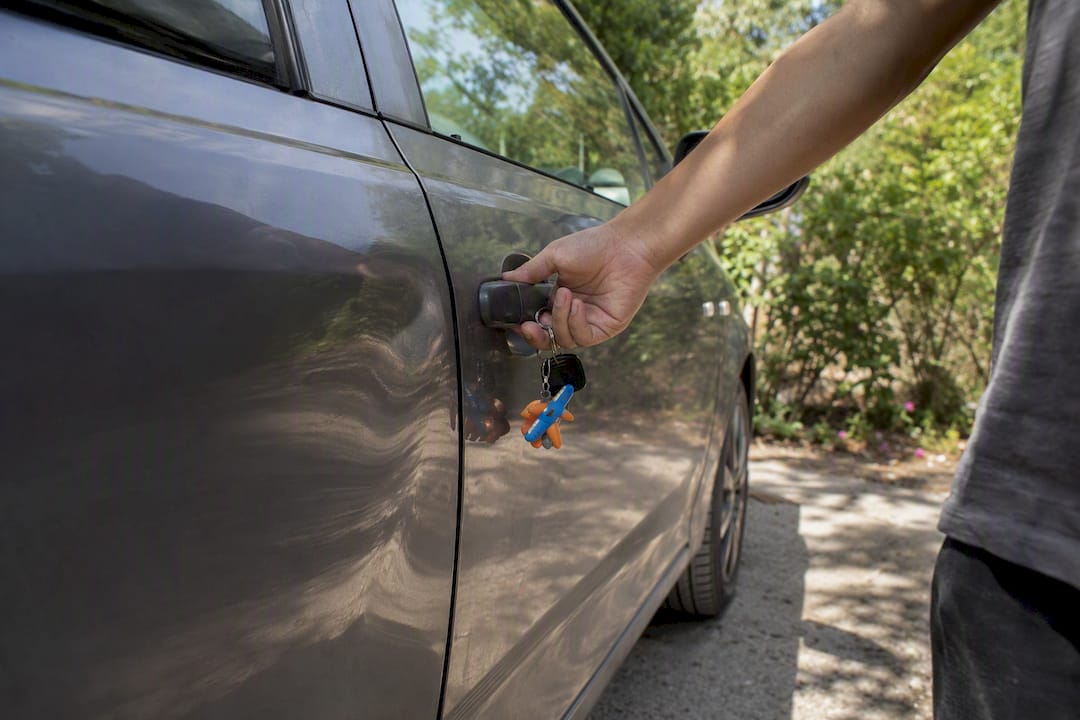
Here’s the charge most renters never see coming: after an accident, rental companies often bill you for the days the car sits in the shop, not just the repair. That’s a loss-of-use fee, and it commonly runs $30 to $75 per day on top of a separate administrative fee for processing the claim.
Neither your personal auto policy nor your credit card’s CDW benefit typically covers loss-of-use, which is the gap that makes counter CDW or a primary third-party waiver genuinely useful for some renters, not just an upsell. A two-week repair window at a daily fee can add up to significant costs your policy never touches.
- Photograph every panel and the interior before you drive off.
- Get a timestamped copy of the condition report signed by the counter agent.
- If a waiver gets refused or added at pickup, get that noted in writing on the rental agreement.
How Do I Verify My Coverage Before Pickup?
- Call your auto insurer. Ask specifically whether rental cars are covered, what your deductible would be, and whether any vehicle classes are excluded.
- Call your credit card’s benefits line. Request a written summary confirming primary or secondary status, territory limits, and rental-day caps.
- If you’re using a standalone or non-owner policy, print proof of coverage to bring to the counter.
- At pickup, photocopy the signed rental agreement, photograph the vehicle from all angles, and get any waiver you decline noted on the paperwork.
Pro Tip: Do this the week before your trip, not the morning of. Benefits lines can take a day or two to email a written confirmation, and you want that document before you’re standing at the counter.
How Globalholidayplanner Reduces Rental Insurance Guesswork
Comparing rental rates side by side is the fastest way to see which counter policies are already baked into a quoted price and which ones get added later. Globalholidayplanner aggregates car rental options alongside travel insurance choices, so you can weigh a bundled protection option against buying separately before you commit to a booking. Instead of guessing at a single company’s page, you’re looking at multiple offers and their coverage terms in one place, which makes the deductible math above much easier to run for your actual trip.

Compare Rental Rates and Insurance Options in One Place
Rental counters make their real money on the upsell, and the only way to know if that upsell is worth it is to compare your options before you’re standing at the desk with a line behind you.
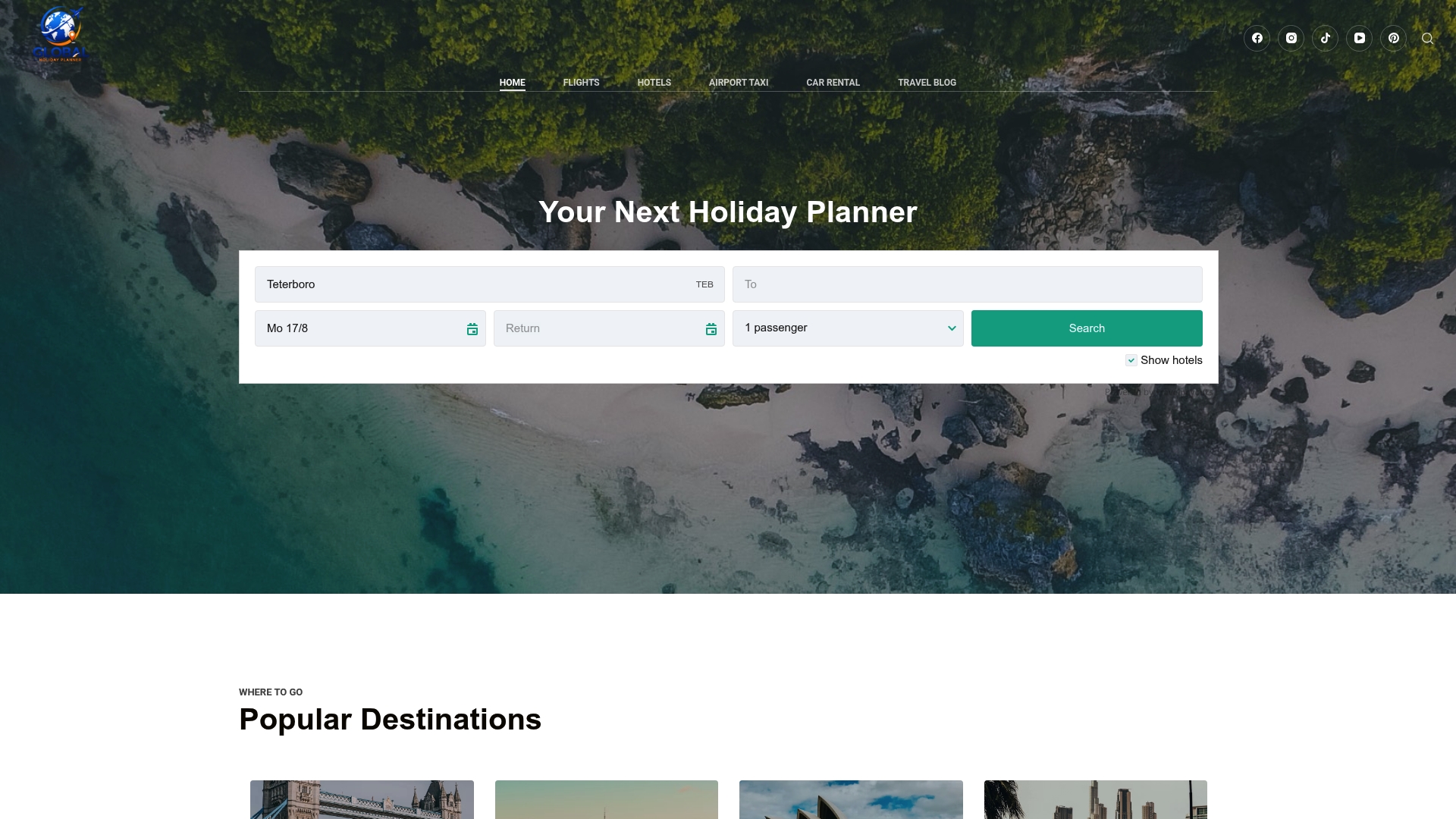
Globalholidayplanner lets you search car rental deals worldwide and see travel insurance options side by side, so you know upfront whether a bundled policy beats a card benefit or a standalone waiver for your specific trip. That comparison is the whole point: you shouldn’t have to choose between overpaying at the counter and rolling the dice on a coverage gap. Start by comparing car rental rates and insurance options for your travel dates, and lock in your decision before you arrive at the rental desk.
Perspective: Why the Real Risk Isn’t the Waiver, It’s the Fee You Didn’t See Coming
Most coverage advice fixates on collision damage, but the money renters actually lose tends to come from loss-of-use fees and administrative charges that neither a personal policy nor a card benefit ever touches. The smarter question isn’t “do I need CDW,” it’s “what happens after an accident that nobody’s covering.” Comparing rental terms upfront, the way Globalholidayplanner’s platform lets you do, surfaces those gaps before they become a surprise bill.
Where to Verify Rental Insurance Rules
- The Texas Department of Insurance publishes consumer guidance on rental coverage and non-owner policies.
- Consumer Reports, MoneyGeek, and NerdWallet all break down deductible math and card exclusions in detail.
- Progressive offers insurer-side guidance on when counter waivers are genuinely worth the cost.
Sources
- Do I need to buy insurance when I rent a car? – Texas Department of Insurance
- Should I Get Rental Car Insurance? (2026 Guide) – MoneyGeek
- Should You Buy Car Rental Insurance? – Consumer Reports
- You Might Not Need Rental Car Insurance – NerdWallet
- Rental Car Insurance: Do You Need It? | Progressive
FAQ
Do I Really Need Insurance When Renting a Car?
Not always. If you have full coverage with a low deductible and you’re renting domestically, your personal policy usually covers the rental, according to the Texas Department of Insurance.
What Is the Best Insurance to Get for a Rental Car?
It depends on your existing coverage: full-coverage drivers can often rely on their personal policy, while liability-only drivers, international renters, or those without a personal policy tend to benefit most from a non-owner policy or a standalone primary CDW product.
Can I Get Car Insurance Just for Rentals?
Yes. Non-owner liability policies and single-trip primary CDW products exist specifically for people who rent without owning a car or carrying full personal coverage, and they can be cheaper across multiple trips than paying counter rates each time.
Does My Car Insurance Cover a Rental Car?
In the U.S. and Canada, collision, comprehensive, and liability coverage typically extend to rentals, but confirm with your insurer since some policies exclude certain vehicle classes or cap coverage value.
What Does Car Rental Insurance Not Cover?
Most counter waivers and personal policies exclude off-road damage, unauthorized drivers, and loss-of-use fees, which can run $30 to $75 per day while the car is being repaired.