
Basic Economy is the cheapest economy fare an airline sells, and it gets you the same seat as regular Economy on most flights. What you give up is flexibility: seat selection, carry-on space on some airlines, boarding priority, and the right to change your mind. Pick it only if you’re traveling light, your plans are locked in, and Global Holiday Planner’s fare comparison shows the total cost still beats Economy after fees.
TL;DR:
- Carry-on baggage allowances on Basic Economy vary by airline, with some charging fees that can offset the fare savings if checked or gate-checked bags are needed.
- Boarding last and automatic seat assignment at check-in make it harder to sit with companions and increase the risk of using overhead bin space.
- Refunds are automatic for canceled or significantly changed flights, even for nonrefundable Basic Economy tickets, thanks to DOT rules.
- Airlines have sharply reduced mileage and elite credit earnings on Basic Economy fares, especially on major legacy carriers, impacting frequent travelers’ future benefits.
- Total trip cost comparison, including bags and seat fees, is essential before booking, as these extras often negate the initial fare difference.
Table of Contents
- Basic Economy vs Economy: The Core Trade-Offs
- Baggage Rules and Carry-On: How Airlines Differ and the Real Costs
- Seat Selection, Boarding Order, and Overhead Bin Access
- Changes, Cancellations, and the DOT Refund Rule
- Mileage, Elite Credit, and Upgrade Eligibility
- Airline-by-Airline Variations Worth Checking Before You Book
- How to Decide: Total-Trip Cost Math and Questions to Ask
- Customer Service Differences When Things Go Wrong
- In-Flight Services and Amenities: What Actually Stays the Same
- Publisher Perspective: Avoiding the False-Economy Trap
- Compare Total Trip Costs Before You Book
- Sources
- FAQ
Basic Economy vs Economy: The Core Trade-Offs
The physical seat doesn’t change. You’re sitting in the same cabin, on the same plane, eating the same pretzels as the person next to you who paid $80 more. What changes is everything wrapped around that seat.
Airlines strip Basic Economy down to a bare transportation product, then charge separately for anything that used to come standard. The categories that shift between the two fares are consistent across most U.S. carriers, even though the specific rules vary airline by airline.
- Baggage: carry-on allowance and checked-bag pricing often differ from standard Economy.
- Seat selection: Basic Economy typically assigns your seat at check-in instead of letting you pick one.
- Boarding: you board in one of the last groups, regardless of how far in advance you booked.
- Changes and refunds: Basic Economy is generally locked in after the 24-hour cancellation window.
- Mileage and elite credit: several carriers now limit or eliminate earnings on Basic Economy fares.
None of this matters equally to every traveler. A solo business flyer with no bag and no travel companion might not notice a single one of these restrictions. A family of four flying with luggage and hoping to sit together will feel every one of them, often at the gate, in front of a long line of impatient passengers.
Baggage Rules and Carry-On: How Airlines Differ and the Real Costs
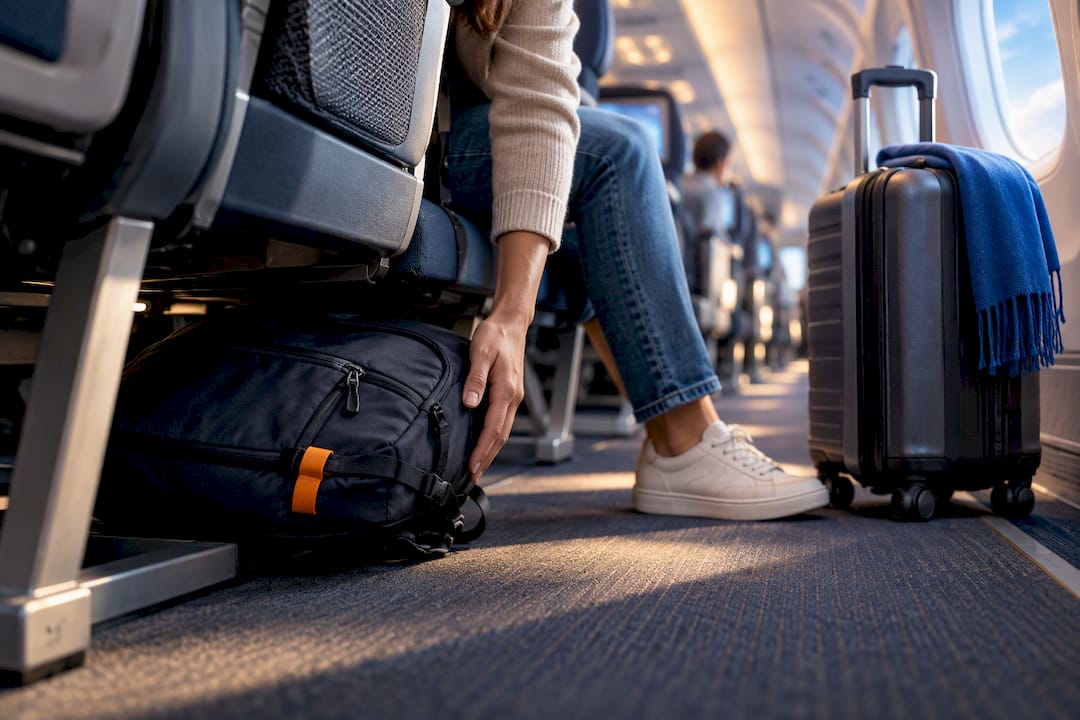
This is where Basic Economy either saves you real money or quietly costs you more than Economy would have, a key consideration in business travel meal planning. The distinction that matters is carry-on versus personal item. A personal item is a purse, laptop bag, or small backpack that fits under the seat. A carry-on is the roller bag that goes in the overhead bin, and whether Basic Economy includes one depends entirely on which airline you’re flying.
United limits many domestic Basic Economy tickets to a personal item only, while American and Delta generally still include a full carry-on bag alongside the personal item on Basic Economy fares. That single difference can flip the math on which fare is actually cheaper for your trip.
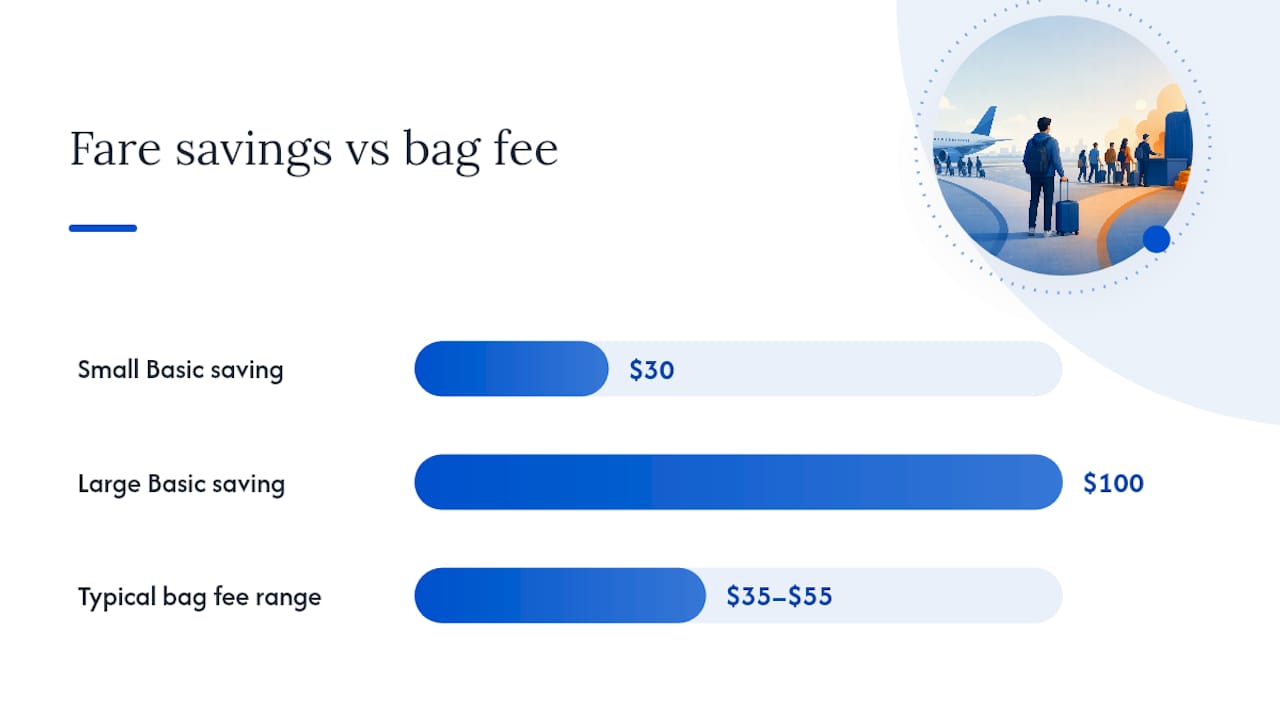
Here’s the arithmetic that trips people up. Basic Economy fares often run $30 to $100 less than Main Cabin on the same flight. If your airline charges a gate-check or checked-bag fee in the $35 to $55 range because your roller bag doesn’t qualify as a personal item, you’ve already erased most or all of that discount.
Pro Tip: Before booking Basic Economy, check the fare rules screen for the specific flight, not just the airline’s general policy page. Baggage allowances can vary by route and by whether the flight is domestic or international.
If you’re checking a bag anyway, price out both fares with the bag fee added to each. Sometimes Economy wins outright once you do that math, and sometimes Basic Economy still comes out ahead because the base fare gap is wide enough to absorb the fee.
Seat Selection, Boarding Order, and Overhead Bin Access
Standard Economy lets you pick your seat when you book, for free. Basic Economy usually assigns one automatically at check-in, which means you find out where you’re sitting 24 hours before departure instead of the moment you buy the ticket.
Boarding order compounds this. Basic Economy passengers board in one of the last groups on nearly every U.S. carrier, which has a direct, physical consequence: less overhead bin space by the time you reach your row. If your carry-on doesn’t fit, you’re gate-checking it, sometimes for a fee, sometimes for free but with the hassle of waiting at baggage claim on arrival.
- Boarding last means the overhead bins near your seat may already be full.
- Traveling with a companion under Basic Economy risks separate seat assignments unless you pay a seat-selection fee, often in the $15 to $50 range depending on the route and seat type.
- Families should assume they will need to pay for seat selection if sitting together matters, regardless of which fare they book.
Pro Tip: If you’re flying Basic Economy with a companion, check in the moment the 24-hour window opens. Seat assignments are handed out automatically, and early check-in gives the algorithm more open seats to work with.
Changes, Cancellations, and the DOT Refund Rule
Basic Economy tickets are typically non-changeable and nonrefundable once the 24-hour free cancellation window closes. Miss that window, and you’re generally not rebooking onto a different flight without buying a new ticket outright. Standard Economy usually allows changes, sometimes with a fee, sometimes free depending on the carrier and fare rules.
There’s a safety net that applies to both fares, though, and a lot of travelers don’t know about it. The Department of Transportation’s final rule requires airlines to automatically issue cash refunds when a flight is canceled or significantly changed, and for any ancillary service, like a paid seat or bag, that the airline didn’t actually provide.
The timelines are specific:
- Refunds must be issued promptly for credit card purchases and within a longer period for other payment methods, per the Department of Transportation’s timelines.
- The refund is automatic, meaning you shouldn’t have to fight for it or file a formal request in most cases.
This means even a nonrefundable Basic Economy ticket can trigger a real refund if the airline is the one that cancels or significantly reschedules your flight. If a refund doesn’t show up within those windows, the DOT’s consumer page walks through how to file a complaint. Keep your confirmation email and any cancellation notice as documentation; you’ll want both if you need to escalate.
Mileage, Elite Credit, and Upgrade Eligibility
Basic Economy used to earn miles like any other fare. That’s changed. As of 2026, major legacy carriers have pulled back sharply: American and Delta eliminated mileage and status earnings on many Basic Economy tickets, and United cut earnings for most passengers except select elites and co-branded cardholders.
Low-cost carriers haven’t all followed the same path. JetBlue still awards points on its Basic fare tier, just at a reduced rate: one TrueBlue point per dollar versus three points per dollar on standard fares.
If you’re chasing elite status or saving for a free flight, this changes the calculation. A cheap Basic Economy fare that earns zero miles might cost you more in lost future value than the ticket price suggests, especially if you fly often enough that status matters. Holding the airline’s co-branded credit card sometimes restores earning even on Basic Economy, so check your card’s terms before assuming you’re locked out entirely.
Airline-by-Airline Variations Worth Checking Before You Book
No two airlines run Basic Economy the same way, and assuming otherwise is how people end up surprised at the gate. Legacy carriers like American, Delta, and United all sell a Basic Economy tier, but the restrictions differ in ways that matter.
- American and Delta generally include a full carry-on bag on Basic Economy; United often limits many domestic Basic Economy tickets to a personal item only.
- Seat selection is blocked or fee-based across nearly all Basic Economy tiers, but the fee ranges shift by route and by how far in advance you pay.
- Low-cost carriers frequently charge for carry-on bags on every fare tier, not just their cheapest one, so a bundled fare that includes a bag can beat what looks like a lower base price.
The only way to know for certain is to read the fare rules for your specific flight before you pay. Airline fare pages spell out exactly what’s included, and those details can change by route, by season, and by whether the flight is domestic or international.
How to Decide: Total-Trip Cost Math and Questions to Ask
Stop comparing sticker prices. The number that matters is what you’ll actually spend once every fee lands on your card.
- Find the fare gap. Note the price difference between Basic Economy and Economy for your exact flight.
- Add bag costs. If you need a carry-on or checked bag and the fare doesn’t include one, add the fee, typically $35 to $55 for a checked bag.
- Add seat selection. If sitting with a companion matters, add the seat fee, often $15 to $50.
- Subtract lost miles. If you fly often, put a rough value on the miles or status credit you’d forfeit.
- Compare the totals. Whichever number is lower is your actual best deal, not whichever fare looked cheaper at checkout.
Rules of thumb that hold up in most cases: solo travelers on short trips with no bags almost always come out ahead on Basic Economy. Families, groups, and anyone with a tight connection should lean toward Economy, since Basic Economy passengers often wait longer for rebooking during disruptions and travel experts generally recommend against it for anyone needing flexibility.
Pro Tip: Run the math before you get attached to the lower fare. It takes two minutes and it’s the difference between a genuine discount and a false one.
Customer Service Differences When Things Go Wrong
The fare class you booked can determine how fast an airline helps you when your flight gets delayed, canceled, or overbooked. Basic Economy passengers are frequently lower priority for re-accommodation during disruptions, which in practice means longer hold times, later rebooking slots, and less flexibility on which replacement flight you get offered.
This isn’t a matter of rudeness at the gate. It’s how airlines’ operational systems are built: passengers on higher fare tiers get rebooked first, and Basic Economy tickets sit further back in that queue. If your flight gets canceled and the airline is rebooking a full plane’s worth of passengers, the Main Cabin traveler two rows behind you may get a same-day replacement while you’re offered something the next morning.
Yes, you can still get bumped on Basic Economy, and it’s more likely than on higher fare classes, since airlines typically look to fare class first when deciding who gets moved during an oversold flight. If your travel dates are truly fixed, that priority gap alone is worth factoring into your total-trip cost math.
The DOT’s automatic refund rule still applies regardless of fare class. If the airline cancels or significantly changes your flight, you’re entitled to a cash refund on the same timeline as any other passenger, Basic Economy included.
In-Flight Services and Amenities: What Actually Stays the Same
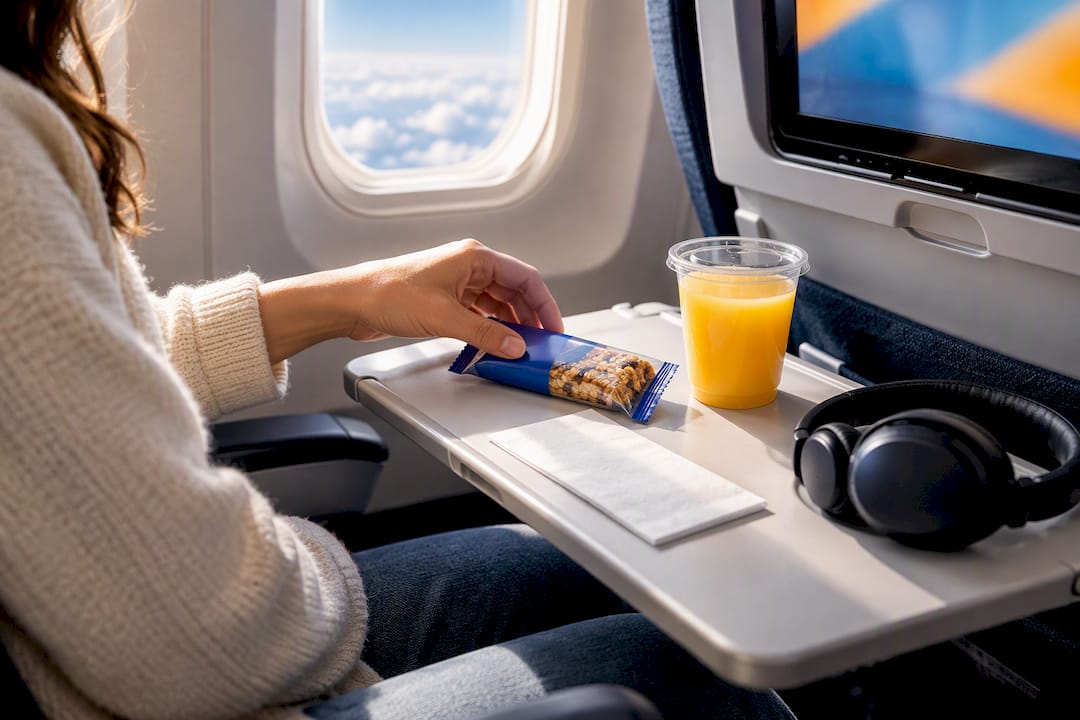
Once you’re in the air, Basic Economy and Economy look nearly identical. You get the same seat pitch, the same in-flight entertainment access, the same snack and beverage service, and the same lavatory access as everyone else in the main cabin. Airlines don’t strip in-flight amenities based on fare class the way they strip booking flexibility.
Where you might notice a difference is Wi-Fi and streaming access on carriers that gate those perks behind loyalty status or a paid add-on, but that’s typically tied to your frequent-flyer tier, not your fare class. A Basic Economy passenger with elite status still gets the same in-flight Wi-Fi discount as a Main Cabin passenger with the same status.
This is actually the strongest argument in favor of Basic Economy for the right traveler. If your only goal is getting from point A to point B in a comfortable seat with the same snacks and the same screen, you’re not sacrificing anything once you’re actually on the plane. Every restriction that matters happens before boarding, not during the flight.
Publisher Perspective: Avoiding the False-Economy Trap
The gap between Basic Economy and Economy isn’t really about comfort. It’s about who bears the cost of flexibility. Airlines figured out that most travelers won’t notice a $50 savings evaporate into three separate fees, because those fees show up at different moments, not all at once on the booking page. Global Holiday Planner’s fare comparison tool exists precisely because that fragmented pricing is intentional, not accidental. Comparing total trip costs side by side, before you commit, is the only real defense against paying more for “less.”
— Global
Compare Total Trip Costs Before You Book
Guessing whether Basic Economy will save you money or cost you more is the wrong approach. Global Holiday Planner lets you search a route, compare fares across carriers side by side, and see how bag fees and seat costs change the real total, not just the number on the search results page.
The process is simple: search your route, compare the total cost across fare types and carriers, then book the one that actually wins once every fee is counted. If you’re traveling with a group or checking bags, that comparison alone can save you from a Basic Economy ticket that looked cheap and turned out not to be. For a deeper dive into squeezing more savings out of your search, the guide to finding cheap flights covers additional tactics worth pairing with your fare comparison. If your trip also involves ground travel, Global Holiday Planner’s car rental search runs the same side-by-side comparison so you’re not overpaying there either. Search your next route and see what the real numbers say before you book.
Sources
Confirm the details that affect your ticket directly: the DOT’s refund rule for cancellations and ancillary fees, your airline’s official fare rules page for carry-on and seat policy, and current reporting on mileage-earning changes before you assume last year’s rules still apply.
- Biden-Harris Administration Announces Final Rule Requiring Automatic Refunds of Airline Tickets and Ancillary Service Fees | U.S. Department of Transportation
- Main Cabin vs Basic Economy: What You Actually Give Up (2026 Guide) — Autopilot
- Basic Economy vs. Main Cabin: Which Is For You — NerdWallet
FAQ
Can I Bring a Carry-On With Basic Economy on United?
On many domestic United Basic Economy fares, you’re limited to a personal item that fits under the seat, not a full carry-on. American and Delta generally still include a carry-on bag on Basic Economy, so check your specific airline’s fare rules before you pack.
What’s the Difference Between Basic Economy and Full Economy?
Basic Economy strips out seat selection, carry-on space on some airlines, boarding priority, and the ability to change or cancel your ticket after 24 hours. The seat itself and in-flight service are typically the same as standard Economy on the same flight.
How Do I Know if I’m Flying Basic Economy?
Check your booking confirmation or the fare class listed on your ticket. It’s usually labeled clearly at checkout, and airline fare comparison pages, including Global Holiday Planner’s flight search, show the fare type before you pay.
Can You Get Bumped on Basic Economy?
Yes, and it happens more often on Basic Economy than on higher fare classes, since airlines typically consider fare class when choosing who to bump on an oversold flight. Basic Economy passengers also tend to wait longer for rebooking during disruptions compared with other fare tiers.
Is Basic Economy Worth It for a Family Trip?
Usually not. Families need to sit together, often check bags, and benefit from flexibility if plans shift, and travel experts generally recommend Economy or Main Cabin for exactly those situations.
Does Basic Economy Still Earn Airline Miles?
It depends on the carrier. As of 2026, American, Delta, and United have all reduced or eliminated mileage earning on many Basic Economy fares, though co-branded credit card holders sometimes still earn at a reduced rate.
[…] When $30–$100 Isn’t Savings: Basic Economy vs Economy for Budget Trips […]