

Choose a honeymoon package if you want low planning effort and predictable costs; choose a DIY trip if you want full control over every detail and the flexibility to chase off-peak savings. Packages suit couples short on time or juggling multi-stop itineraries, while DIY rewards couples who enjoy research and have a simple, single-destination plan.
TL;DR:
- Which? found packages cheaper than equivalent do it yourself bookings in 7 out of 10 popular destinations checked, with stronger cancellation and insolvency protections.
- DIY can cost less during off peak periods, especially with flexible dates or when couples skip alcohol packages and excursions they would not otherwise buy.
- Air ambulance evacuation can cost $20,000 to $200,000, so couples should confirm that travel insurance covers medical evacuation rather than assume health plans do.
- Compare identical dates and standards, including baggage, resort fees, transfers, meals, and insurance, because headline prices can omit costs that change the final total.
Table of Contents
- What is a honeymoon package and what does it include?
- What does planning a DIY honeymoon actually involve?
- Pros and cons of planning a DIY honeymoon
- Pros and cons of honeymoon packages
- Flights, hotels, transfers, and support: who handles what?
- How much should you really budget for a honeymoon?
- How do you choose between a package and DIY?
- When should you pick a package over DIY, or the reverse?
- Our take on the package versus DIY debate
- Compare your real options with Global Holiday Planner
- FAQ
- Sources
What is a honeymoon package and what does it include?
A honeymoon package bundles at least two travel elements, usually a flight and a hotel, into a single purchase with one price and one point of contact. Packages range from ready-made itineraries to semi-custom builds where you pick the hotel tier and add-ons, to fully all-inclusive resorts and escorted multi-stop tours.
Typical inclusions vary by package type, but most couples will see:
- Round-trip flights and airport transfers bundled into one booking.
- A hotel stay, sometimes with a complimentary room upgrade for honeymooners.
- Some or all meals, depending on whether the resort is all-inclusive.
- Pre-booked experiences such as a sunset cruise or a couples’ spa session.
- On-ground support from a local agent or tour representative if something goes wrong.
Booking through a packaged deal also tends to come with stronger consumer protections than assembling the same trip piece by piece. Which? notes that packages fall under formal holiday protection rules in many markets, giving you a single party responsible for fixing problems instead of several vendors pointing fingers at each other.
What does planning a DIY honeymoon actually involve?
A DIY honeymoon means you book every component separately: flights, hotel or vacation rental, transfers, activities, and insurance, each from a different source. You also take on the research that a package normally handles for you, including visa requirements, entry health rules, and local customs that might affect your plans.
The main tasks look like this:
- Booking flights, lodging, and transfers as separate reservations, often from different websites.
- Researching visa and health entry requirements for your destination.
- Arranging your own travel insurance and reviewing what it actually covers.
- Lining up activities, restaurant reservations, and excursions in advance.
- Matching flight times, transfer pickups, and check-in windows so nothing leaves you stranded.
The payoff is real: full personalization, access to unique boutique stays a package would never offer, and a pace you set yourself rather than one dictated by a group itinerary. For couples who enjoy planning, that control is often the entire point of a DIY trip.
Pros and cons of planning a DIY honeymoon
DIY planning gives you the most control over your honeymoon, and for the right couple, that control pays off in both experience and price.
- Pro: You choose every hotel, restaurant, and activity instead of accepting a pre-set itinerary.
- Pro: Skipping alcohol-inclusive packages or choosing a budget-friendly destination can tilt the price in your favor.
- Con: Protections are fragmented: if an airline cancels and your hotel does not refund, you are negotiating with two separate companies instead of one.
- Con: Planning takes real time, and a missed connection or mismatched transfer time can derail a day of your honeymoon.
- Con: Hidden fees (resort fees, booking fees, local taxes) are easy to miss when you are juggling multiple bookings.
DIY tends to work best for couples who already enjoy trip planning, have a straightforward single-destination itinerary, and want the final say on where they sleep and eat each night. Our itinerary planning approach of mapping the trip first and anchoring one or two fixed points can keep a DIY plan from becoming overwhelming.
Pro Tip: Before committing to DIY, price out travel insurance separately since standalone policies sometimes cost more per person than the coverage bundled into a package.
Pros and cons of honeymoon packages
Packages trade some customization for speed and certainty, which is exactly what many time-strapped couples are looking for in the months before a wedding.
- Pro: One booking, one price, and one call to make if anything goes wrong on the trip.
- Pro: Bundled flights, transfers, and meals can bring real savings compared to piecing the same trip together.
- Pro: Formal consumer protections often apply, covering you if a travel provider becomes insolvent or cancels last minute, as Which? points out when comparing package protections to self-booked trips.
- Con: You may end up paying for inclusions you will not use, like a daily buffet breakfast when you planned to sleep in.
- Con: Swapping a single hotel night or adding an extra city can be harder than it would be with separate bookings.
Packages make the most sense for multi-destination honeymoons, trips with little lead time to plan, or couples who simply want a predictable total cost locked in before departure.
Flights, hotels, transfers, and support: who handles what?
The real operational difference between the two approaches shows up component by component.
- Flights: A package bundles them into the total price; DIY means booking and tracking them yourself.
- Hotels: Packages often include a pre-negotiated rate and sometimes a free upgrade; DIY lets you choose any property on the market.
- Transfers: Packages typically include airport pickup; DIY travelers usually book a separate transfer or rideshare.
- On-ground support: Packages come with a representative to call if a flight is canceled or a hotel overbooks; DIY travelers resolve each issue with the individual provider.
In many cases checked by Which?, package holidays came out cheaper than DIY bookings in 7 out of 10 popular destinations, and they also carried stronger protections against cancellations or provider insolvency. That combination of price and protection is why packages remain a common default for couples who want fewer moving parts to manage.
How much should you really budget for a honeymoon?
Daily costs vary enormously by destination and travel style, which makes a single “average honeymoon budget” almost meaningless. Daily budget estimates from BudgetYourTrip range from under $40 a day for budget travel in a destination like Argentina to around $150 a day for mid-range travel in Japan, excluding international flights. Use those figures as a starting anchor, then adjust for your actual destination and pace.
Packages tend to save money when they bundle flights, transfers, and meals at destinations where those components are normally expensive apart, or when booked well in advance for peak season. DIY tends to win in off-peak windows or when you skip extras like alcohol packages and pre-booked excursions you would not have paid for anyway.
Before comparing a final price, check for these commonly missed costs:
- Checked baggage fees that are not included in headline airfare.
- Resort fees charged at check-in regardless of what the booking confirmation showed.
- Transfer surcharges for late-night or early-morning arrivals.
- Activity surcharges for excursions marketed as “included” but requiring add-on fees.
- Insurance gaps that leave medical evacuation uncovered.
That last point matters more than most couples realize. Medical evacuation by air ambulance can cost between $20,000 and $200,000, according to Travel, which is why the same guidance recommends buying comprehensive travel insurance or a dedicated evacuation plan rather than assuming a standard health plan will cover it.
How do you choose between a package and DIY?
Rank your priorities before you start comparing prices, since the right answer depends on what you value most for this specific trip.
- Decide how much time you can spend planning. If you have fewer than a few weekends to spare before the wedding, lean toward a package.
- Assess trip complexity. More than one destination or multiple internal flights points toward a package for logistics alone.
- Set a budget ceiling and decide if certainty matters more than potential savings. Packages lock in a total price; DIY leaves room to spend less but also to go over.
- List what you want control over. If a specific boutique hotel or restaurant matters more than convenience, DIY lets you choose it directly.
- Check your tolerance for handling problems alone. If a canceled flight would ruin your trip, the built-in support of a package has real value.
- Replicate the package on a spreadsheet. List the same flights, transfers, meals, and resort taxes a package includes, then compare total landed cost against the package price.
Our honeymoon planning checklist walks through this timeline in more detail if you are starting six months out.
Pro Tip: Check whether alcohol and transfers are actually included in an all-inclusive package since, as Honeymoon Edit notes, the break-even point for all-inclusive pricing often comes down to whether you drink, and skipping that inclusion can make DIY noticeably cheaper.
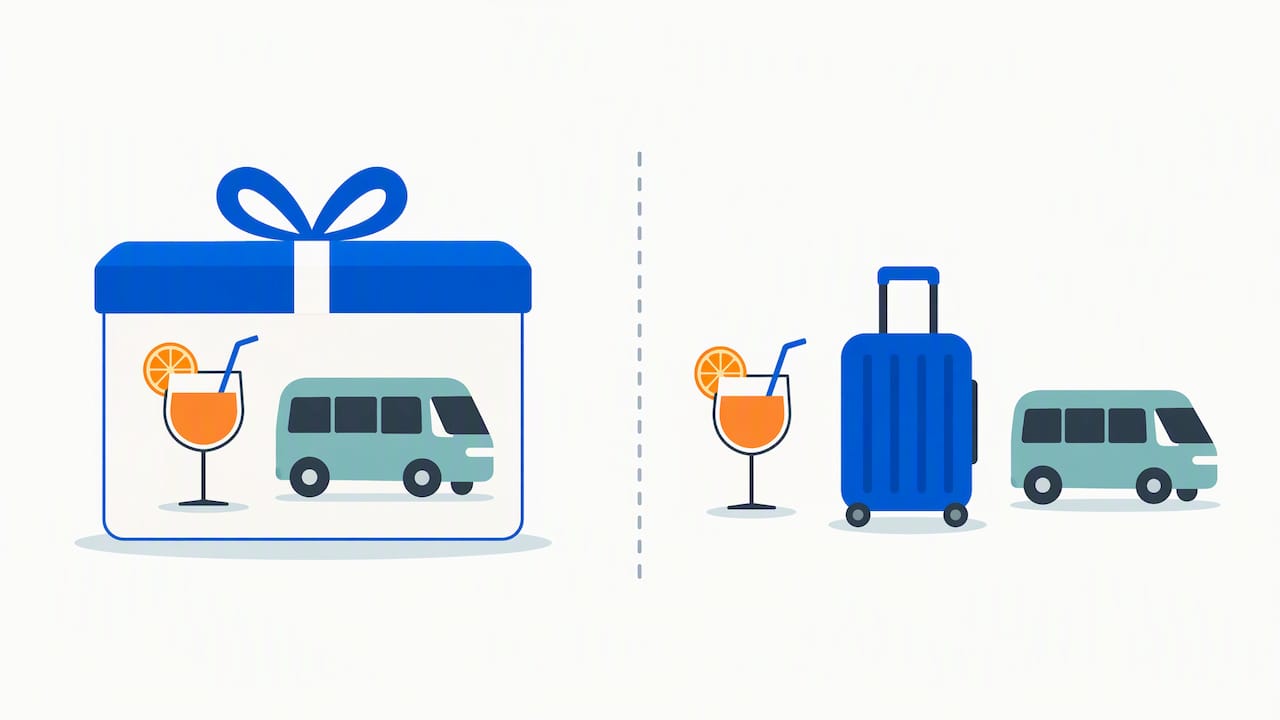
When should you pick a package over DIY, or the reverse?
A few common scenarios make the choice fairly clear once you match them to your itinerary.
- Simple beach break, one destination, flexible dates: DIY or a basic semi-custom package both work well; compare total cost on a spreadsheet before deciding.
- Multi-destination trip with internal flights: A package usually wins on logistics alone, since one provider coordinates every connection.
- Luxury resort or private charter experience: Compare inclusions carefully. A package can simplify booking, but confirm any advertised “romance inclusions” are real perks and not a token voucher, and check if a specialist route, like a yacht charter for couples wanting a private sailing honeymoon, fits better than a standard resort package.
- Off-peak travel with a flexible calendar: DIY often beats package pricing here, since bulk discounts matter less when demand is already low.
- Self-catering or apartment-style stay: DIY typically suits this better, and planning your own meals, as outlined in this self-catering guide, can trim costs further if you prefer cooking to resort dining.
Our take on the package versus DIY debate
The package versus DIY debate gets framed as a binary choice, but the more useful question is which parts of your trip actually need bundling. A couple booking a single all-inclusive resort rarely benefits from the “protection” argument the way a couple juggling four flights and three hotels does, because there is less to coordinate in the first place.
We think the spreadsheet comparison gets skipped too often. Couples compare a package’s sticker price against a rough DIY guess instead of pricing out the identical components, which is the only fair comparison.
- Compare flights, hotels, transfers, and insurance for the same dates and standards before judging which route is cheaper.
- Treat predictability as its own value, not just a fallback for people who dislike planning.
— Global
Compare your real options with Global Holiday Planner
Once you know whether predictability or customization matters more for your honeymoon, the fastest way to test it is to price both routes side by side. We compare flights, hotels, car rentals, airport transfers, and travel insurance in one place, so you can build your own DIY total and see it against a package quote without opening a dozen browser tabs.
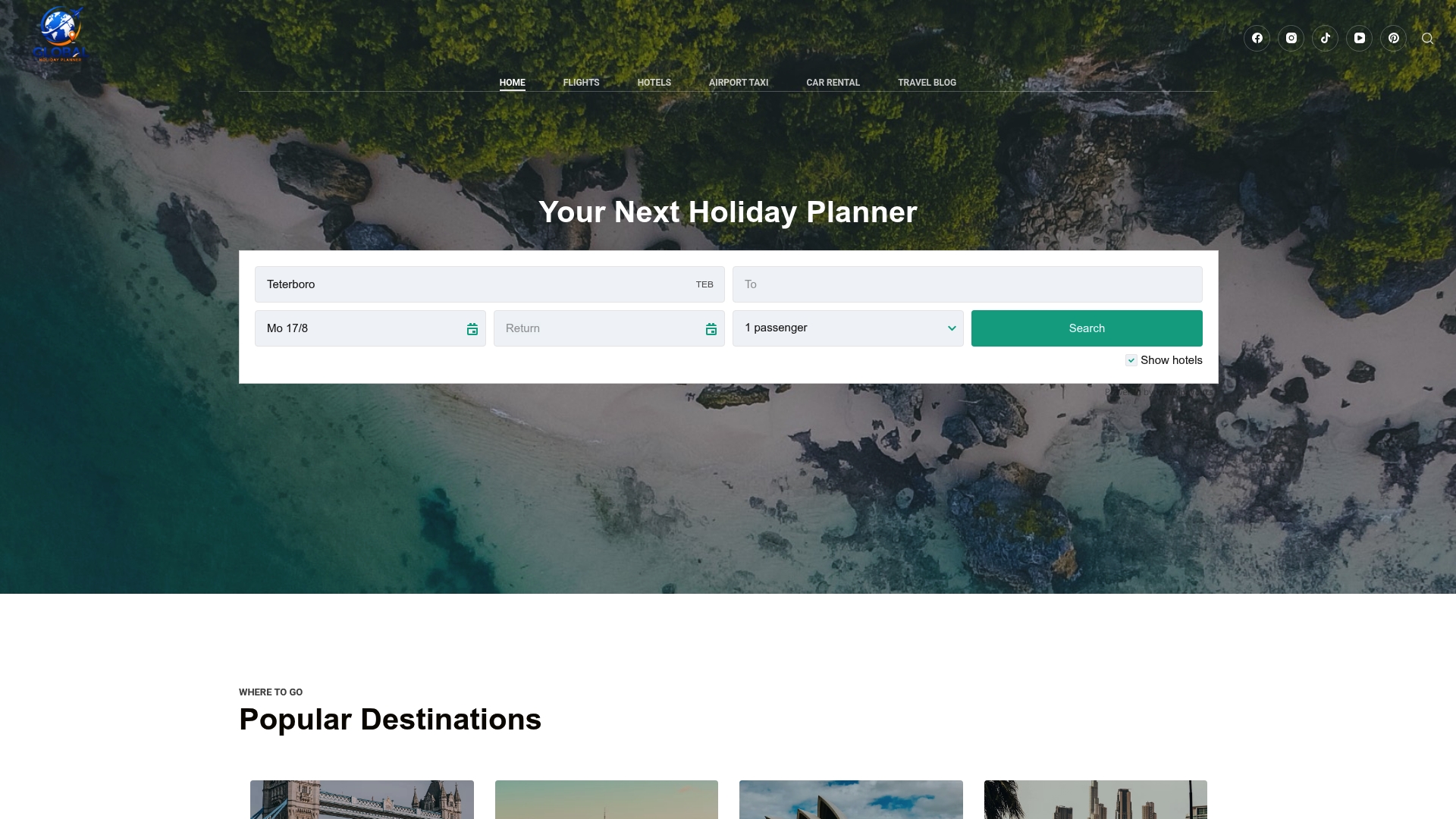
Start by comparing flight bookings for your travel dates and build your honeymoon from there, one component at a time or all at once.
FAQ
Is $5,000 enough for a honeymoon?
It depends heavily on the destination and travel style you choose. Using daily cost anchors from BudgetYourTrip, a budget-friendly destination can keep a week well within that range, while a mid-range stay in a pricier country like Japan would use up most or all of it before flights.
Is it cheaper to book a package or travel on your own?
In many cases, packages come out cheaper than DIY once flights, transfers, and meals are bundled together. Which? found packages beat equivalent DIY bookings in 7 out of 10 popular destinations checked, though DIY can still win in off-peak periods or when you skip extras you would not otherwise pay for.
What is a realistic budget for a honeymoon?
A realistic budget starts with your destination’s daily cost range rather than a flat national average. BudgetYourTrip data shows daily costs from under $40 in budget destinations to around $150 in pricier mid-range spots, so multiply that by your trip length and add flights and insurance separately.
Are all-inclusive honeymoon packages worth it?
All-inclusive packages tend to be worth it when you plan to drink regularly, use the included activities, and value not handling logistics yourself. If you do not drink or prefer a self-catering stay, the value shifts, since the break-even point for all-inclusive pricing often hinges on alcohol inclusion according to Honeymoon Edit.
What should I check before buying travel insurance for a honeymoon?
Confirm the policy covers medical evacuation, since costs for air ambulance transport can run from $20,000 to $200,000 according to Travel.State.Gov. Standard health insurance often excludes this coverage entirely, so a dedicated travel or evacuation policy is worth confirming before you depart.