

Dynamic packaging lets you combine flights, hotels, car rentals and extras into one custom trip, built and priced in real time instead of sold as a fixed, pre-made bundle. You pick the pieces that fit your dates and budget, check out once, and often land on a lower total than booking each part on its own.
TL;DR:
- Dynamic packaging often offers bundle-only discounts, which are not available when booking flights, hotels, and cars separately, saving travelers money.
- Most dynamic packages are built in real time from live inventories, with pricing models ranging from semi-dynamic to full real-time recombination, impacting price transparency.
- The legal protections and consumer rights depend on whether the booking qualifies as a package under EU rules, with true packages offering stronger recourse if issues arise.
- Opaque pricing hides component costs to preserve discounts, so travelers should ask for a breakdown before paying to understand what is included.
- Comparing total prices across multiple platforms helps verify genuine package discounts and avoid misleading or less advantageous booking options.
Table of Contents
- What dynamic packaging means and how it differs from fixed packages
- How dynamic packaging actually works behind the scenes
- What you actually gain from booking this way
- What to watch for before you pay
- How to search for and book a dynamic package step by step
- Our take on when dynamic packaging earns its keep
- Build your own package with Global Holiday Planner
- FAQ
- Sources
What dynamic packaging means and how it differs from fixed packages
Dynamic packaging is the opposite of the old brochure holiday, where a tour operator pre-built a fixed combination of flight, hotel and transfer and sold it exactly as assembled. With dynamic packaging, you choose your own flight, hotel, car rental and extras, and a booking system assembles them into a single order at the moment you search. Nothing is pre-built. The combination exists only because you created it.
That flexibility comes with a tradeoff: the price you see is often a single bundled figure rather than a breakdown of what each component costs on its own. This is the opaque pricing model. Suppliers sometimes let travel sellers offer package-only rates precisely because the components are not priced separately, which protects the supplier’s standalone rates while still letting the seller offer you a deal.
Whether a booking legally counts as a “package” matters for your rights. Under the Directive (EU) 2015/2302 on package travel and linked travel arrangements, combining at least two different types of travel services for the same trip, sold or billed as a single price by one seller, generally makes it a package with specific organizer responsibilities. A looser arrangement, where you book a flight on one site and a hotel on another that are only linked by a referral, is treated differently and usually carries fewer protections.
How dynamic packaging actually works behind the scenes
When you search for a package, the booking platform is pulling live inventory from multiple sources at once: flight availability from airline and global distribution systems, hotel room inventory, car rental fleets and sometimes activities or transfers, all in the same request. The system matches these against your dates, then applies pricing rules before showing you a total.
Those pricing rules generally fall into three patterns. Semi-dynamic packaging combines a few pre-negotiated, largely fixed components (like a block of hotel rooms) with one flexible piece, usually the flight. Dynamic packaging lets most components flex within supplier rules and availability windows. Full dynamic packaging rebuilds the entire combination from live inventory every time, with almost nothing fixed in advance. The further along this spectrum a platform operates, the more real-time computation it needs to keep prices accurate.
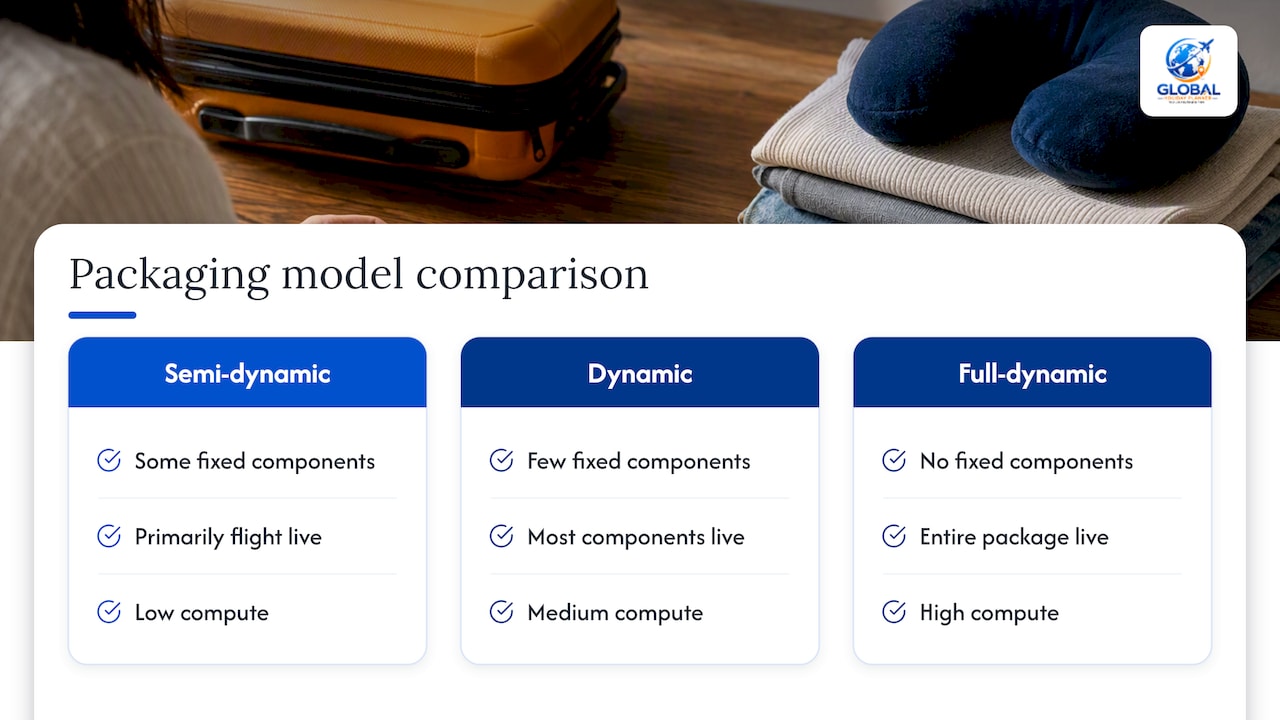
This is also where opaque and transparent pricing diverge. A transparent model shows you a flight price and a hotel price added together. An opaque model shows only the combined total, which is how package-only discounts get preserved, since the supplier’s publicly listed rates stay intact. According to AltexSoft’s overview of dynamic packaging architecture, these systems rely on rules-based pricing engines, inventory integration and, increasingly, personalization and revenue-management logic that adjusts what gets shown to you based on demand, timing and your own search behavior.
That personalization layer is doing real work. Two travelers searching the same dates can see different package prices or different hotel suggestions first, because the system is weighing supplier yield targets alongside your apparent preferences.
What you actually gain from booking this way
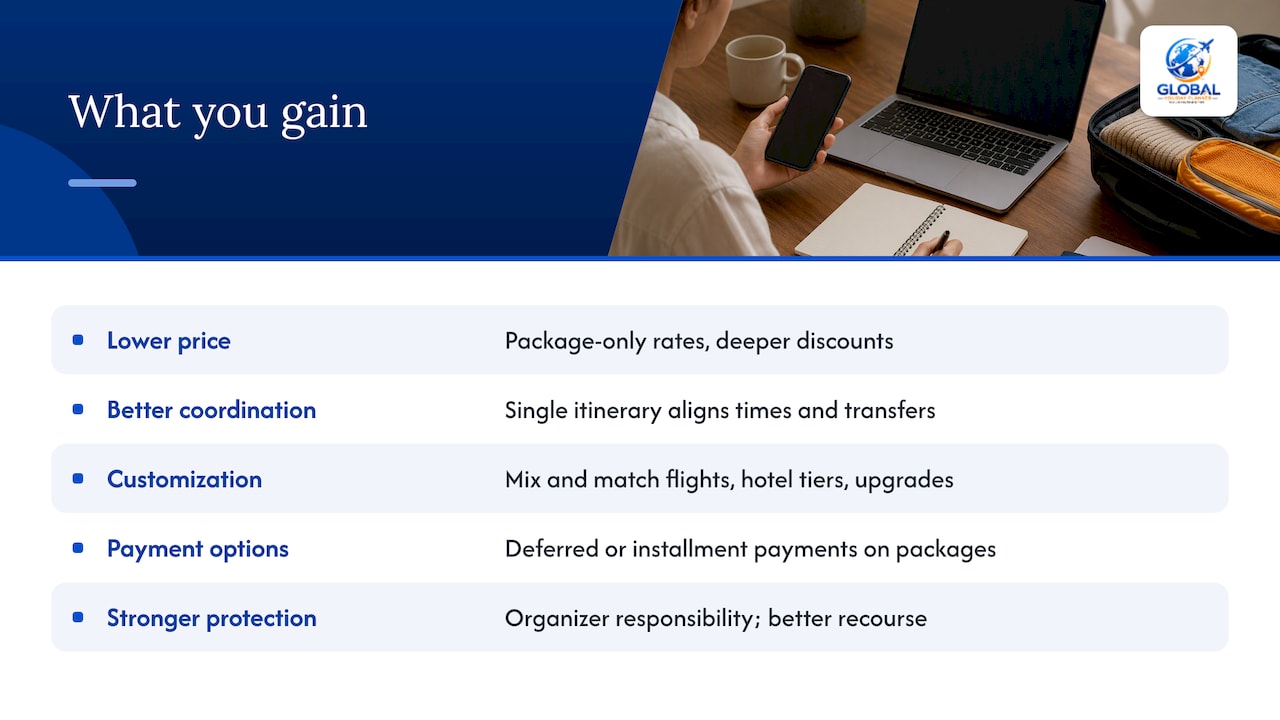
The biggest traveler benefit is access to package-only rates that are not available if you book each piece separately, since suppliers can offer deeper discounts when the price is bundled and opaque rather than publicly listed. Beyond price, a single itinerary means your flight, hotel check-in and transfer times are far more likely to line up, instead of juggling three separate confirmations and three separate customer service lines.
Customization is the other half of the appeal. You are not locked into someone else’s idea of the “right” hotel tier or flight time. You mix and match: a cheaper outbound flight, a pricier return, a hotel upgrade, an added transfer.
Payment flexibility is showing up more often too, with some platforms offering deferred or installment payment on packaged bookings rather than requiring full payment upfront. Ask specifically what happens if you change your mind after a deposit.
The protection difference matters most when things go wrong. Under EU package travel rules, when an organizer or retailer sells you a package, that seller carries defined responsibilities for the trip performing as sold. ICAO’s consumer-protection guidance notes that passenger protection and outcomes in a supplier failure can depend heavily on whether the booking was packaged or standalone, with packaged bookings generally offering stronger recourse.
What to watch for before you pay
Before you commit to a dynamic package, confirm exactly what you are buying. A true package, sold by one organizer or retailer at one price, carries the legal responsibilities set out under EU package travel rules. A linked arrangement, where two bookings are simply connected by a referral, usually does not.
A few checks are worth doing every time:
- Confirm whether insolvency protection (such as ATOL in the UK or an equivalent scheme elsewhere) applies to your booking.
- Ask for a breakdown of what is included before paying, especially when the total price is opaque.
- Read the change and cancellation terms, since penalties on packaged rates can differ from penalties on standalone bookings.
- Find out whether the organizer or the individual supplier (airline, hotel) handles disruptions like delays or overbooking.
- Check which customer service line you call if something goes wrong mid-trip.
Opaque pricing is not a red flag by itself, but it does mean you should ask questions rather than assume. The ICAO guidance on consumer protection specifically recommends travelers document contract terms and identify who is responsible for performance, since protection varies by jurisdiction and by how the sale was structured.
Pro Tip: Keep every booking reference, screenshot of the price you accepted, and payment receipt in one folder, and ask upfront whether deferred payment terms carry any fee or rate change risk.
How to search for and book a dynamic package step by step
Building a dynamic package well is mostly a matter of order of operations. Work through it in sequence rather than jumping between tabs.
- Set your filters first: travel dates, acceptable flight time windows, hotel star rating or class, and whether you need a transfer or rental car.
- Compare the full package total across a few platforms rather than comparing individual components.
- Confirm whether your booking is sold as a package or a linked arrangement, and check what insolvency or consumer protection applies.
- Roughly add up what the flight, hotel and car would cost booked separately to confirm the package total is genuinely better.
- Complete the booking, save your PNR and any vouchers, and note the contact details for changes.
- A few days before departure, recheck every time and location, since hotel check-in, transfer pickup and flight times can shift independently.
Our take on when dynamic packaging earns its keep
We built our platform around comparing flights, hotels, car rentals and travel insurance side by side so a bundled trip is easier to assemble correctly the first time, not just cheaper on paper. Dynamic packaging earns its keep most clearly on complex trips: a family needing matched flight times and a larger room, a multi-city itinerary with transfers between legs, or any trip where coordinating three separate vendors would eat a weekend. For a simple one-city, one-hotel trip, the savings are often smaller and the extra research may not be worth it.
— Global
Build your own package with Global Holiday Planner
Comparing flights, hotels and car rentals side by side is the whole point of a dynamic package, and that comparison is exactly what we built our platform to simplify. Instead of opening five tabs to piece together a trip, you search once, see real totals, and adjust any single component without losing the rest of your itinerary.
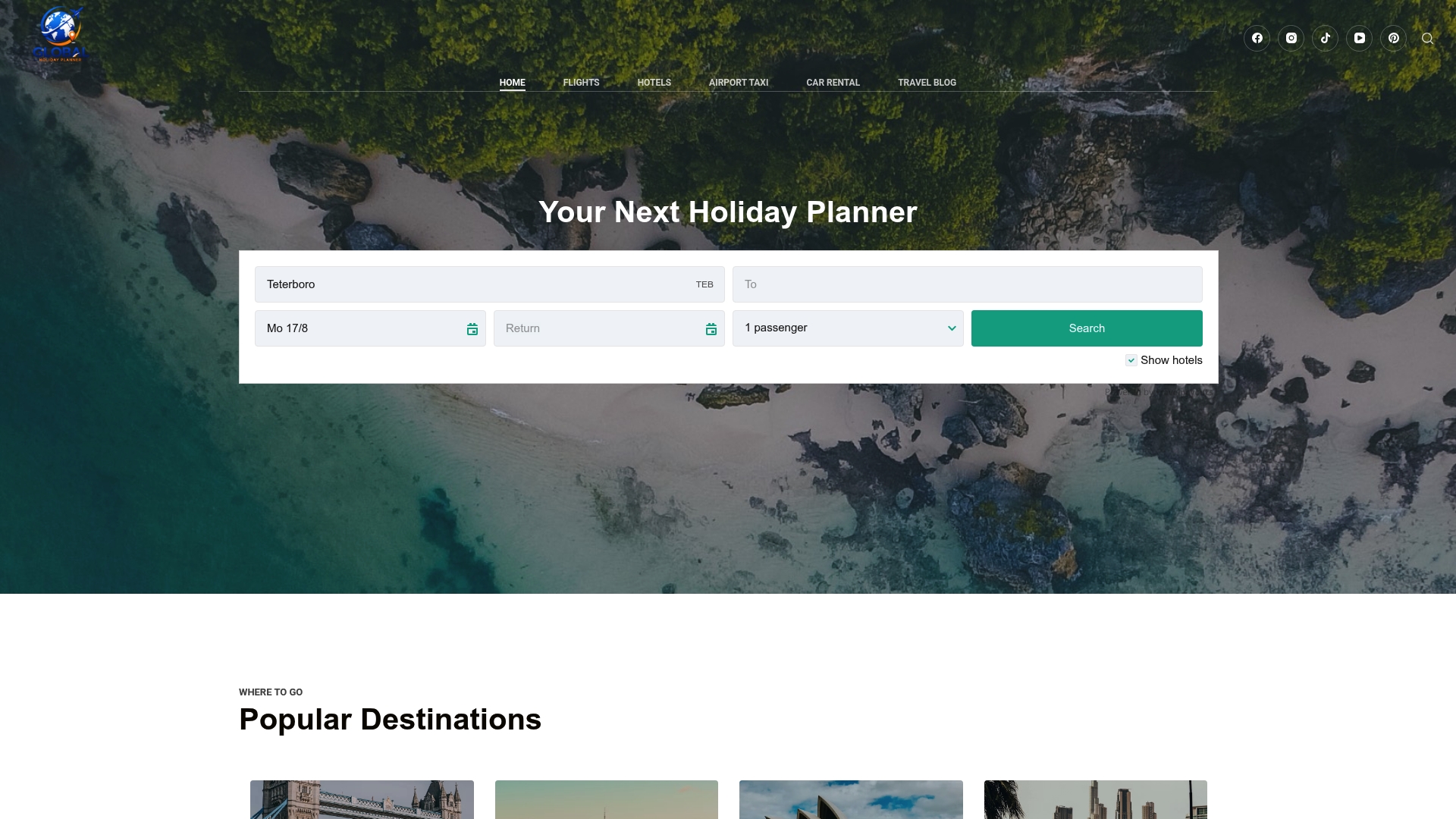
A few places to start building your own package:
- Compare and book flights for your outbound and return dates.
- Browse hotel reservations matched to your travel window.
- Add a car rental or an airport transfer to cover the last mile.
For longer or multi-leg trips, coordinating transfers across each stop is easier with a dedicated workflow, which is one reason we point travelers to resources like Solidride when transfers get complicated. Start comparing your trip on Global Holiday Planner today.
FAQ
What does dynamic packaging mean in simple terms?
Dynamic packaging means a booking system builds a custom trip, combining flights, hotels, car rentals and extras, in real time based on your search rather than selling a fixed, pre-made bundle. You choose the components, and the system prices them together, often as one opaque total.
How is dynamic packaging different from a static holiday package?
A static package is pre-built by a tour operator with fixed components, while dynamic packaging assembles the combination fresh for each traveler’s search. Dynamic packages typically offer more customization but may show a single bundled price instead of itemized component costs, as described in the overview of dynamic packaging architecture.
Does booking a dynamic package give me stronger consumer protection?
It can, but only when the booking legally qualifies as a package under rules like the EU Package Travel Directive, which places responsibility on the organizer or retailer. A loosely linked arrangement between separate bookings usually does not carry the same protection, a distinction also noted in ICAO’s consumer-protection guidance.
Why do some dynamic packages hide the individual price of each component?
Opaque pricing lets suppliers offer package-only discounts without undercutting their own publicly listed rates for flights or hotels booked alone. This is a deliberate industry pricing structure rather than a way of hiding information from you, though it is still worth asking for a component breakdown before you pay.
Can I compare dynamic packaging options across more than one platform?
Yes, and comparing totals across platforms is one of the best ways to confirm you are actually getting a package-only discount. You can build and compare a bundled trip, including flights, hotels, car rentals and insurance, on Global Holiday Planner.
Sources
- Dynamic packaging solutions for online booking engines — AltexSoft
- Directive (EU) 2015/2302 on package travel and linked travel arrangements
- ICAO — Consumer protection (ATConf6-IP/1)